Home › Pattern Coloring Pages
24 Free Printable Pattern Coloring Pages
Pattern coloring pages, full-page repeating motifs on a tidy grid. Each cell is a small self-contained shape, so you can put the page down and pick it up again without losing your place.
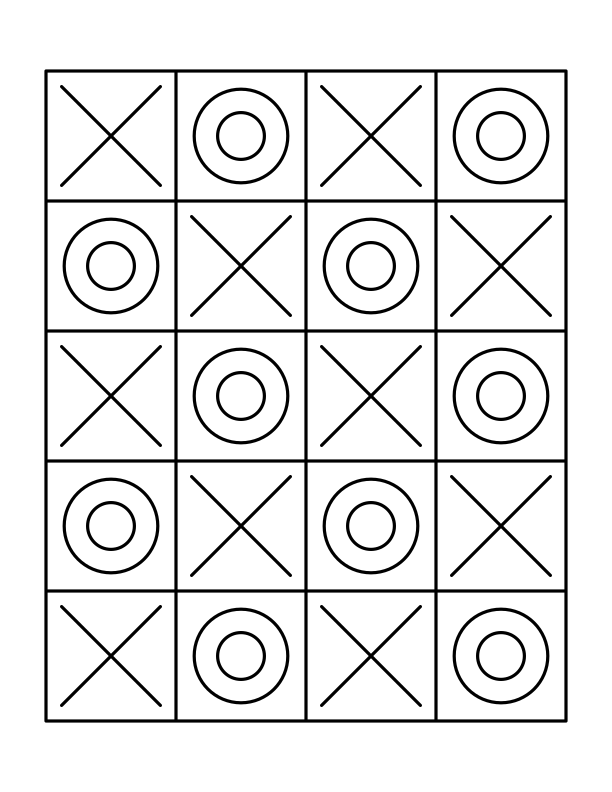
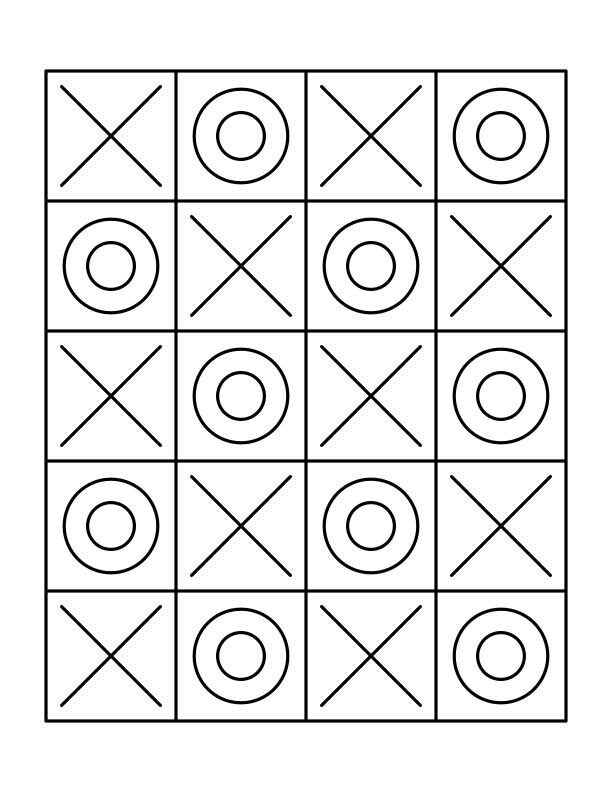
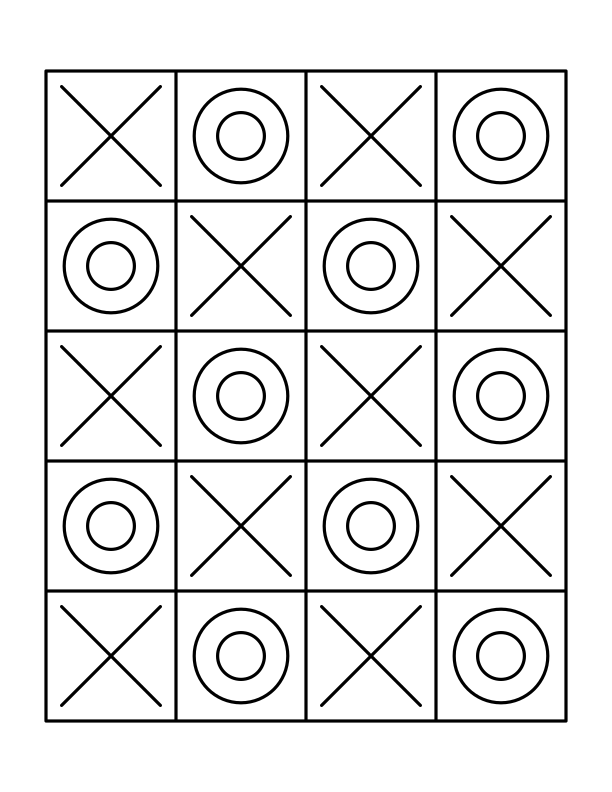
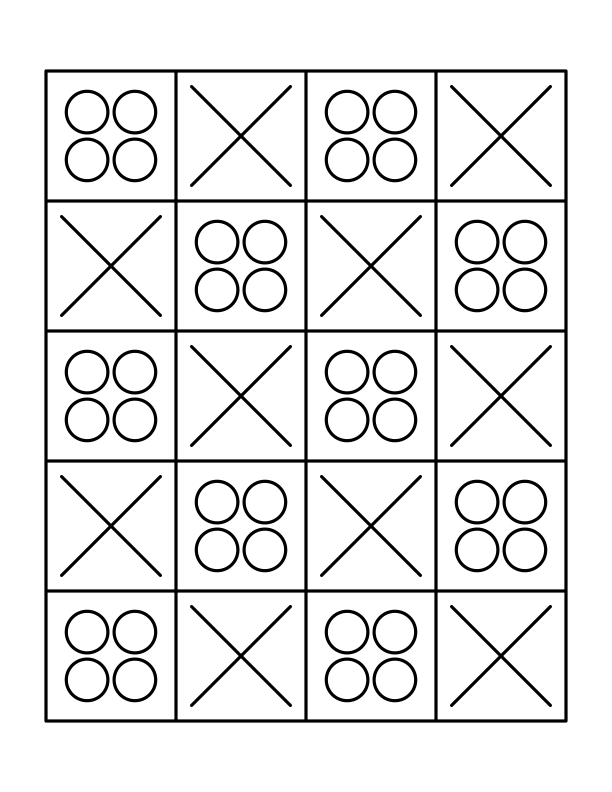
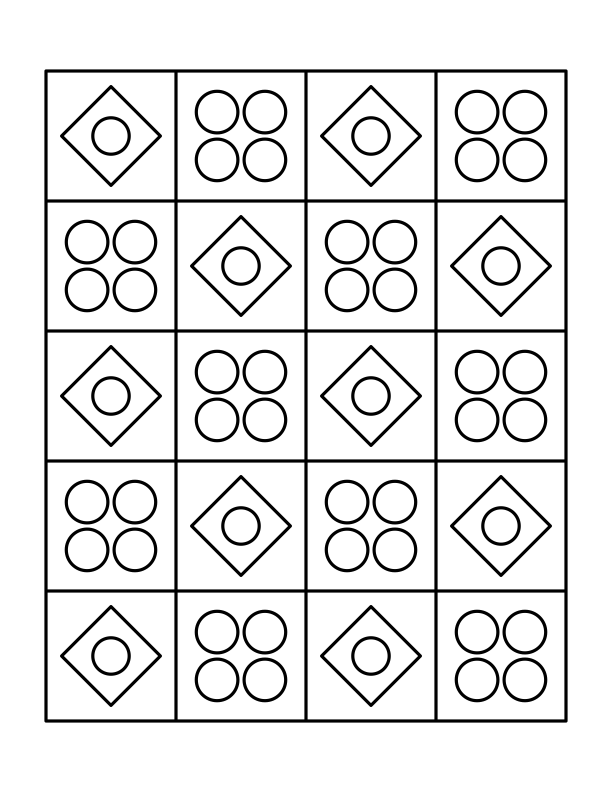
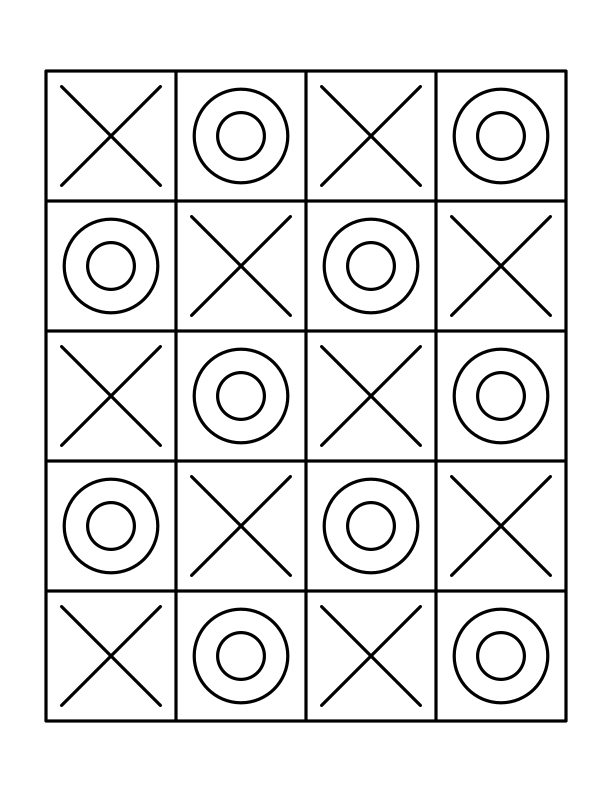
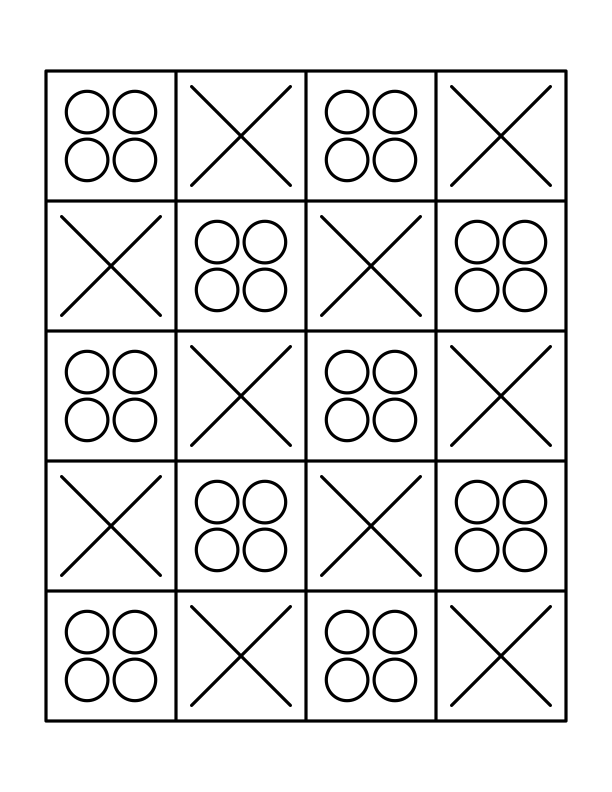
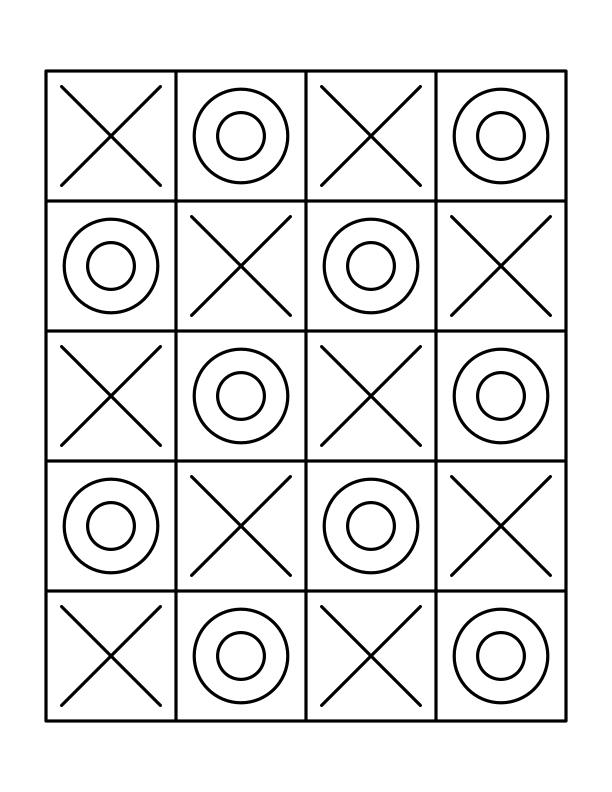
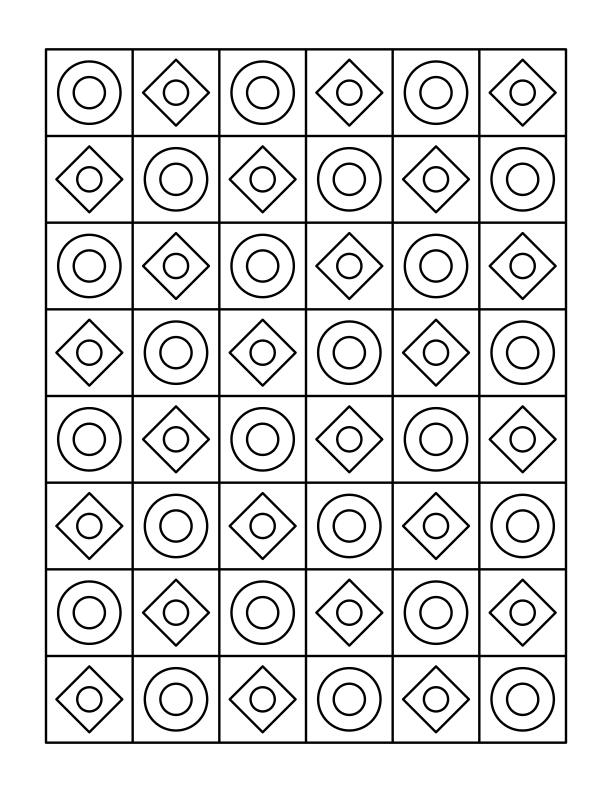
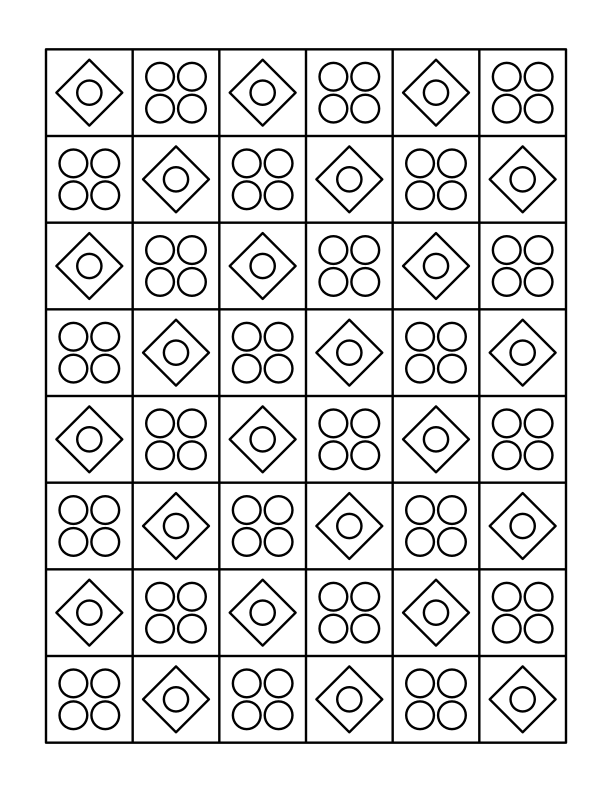
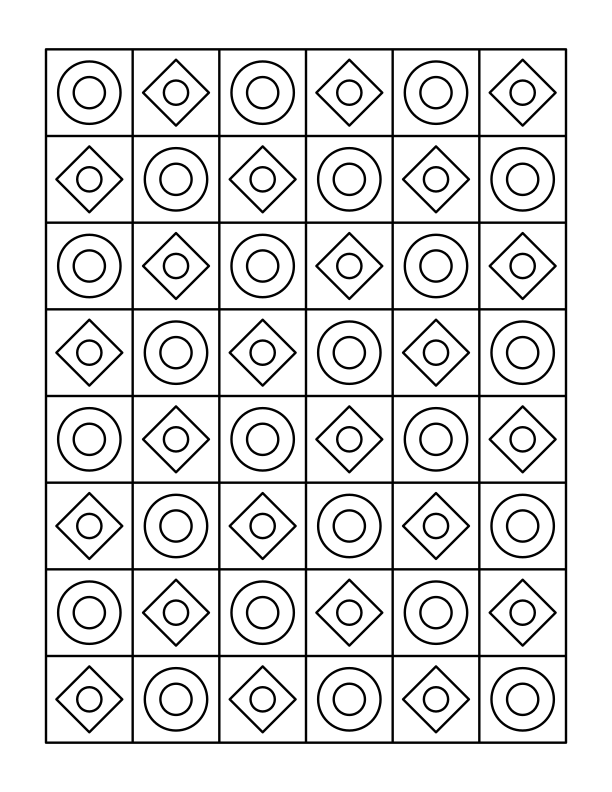
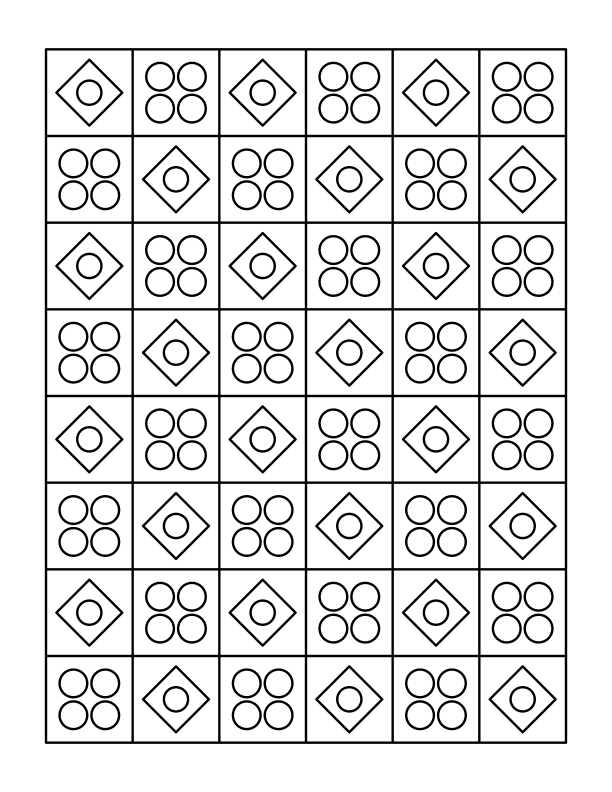
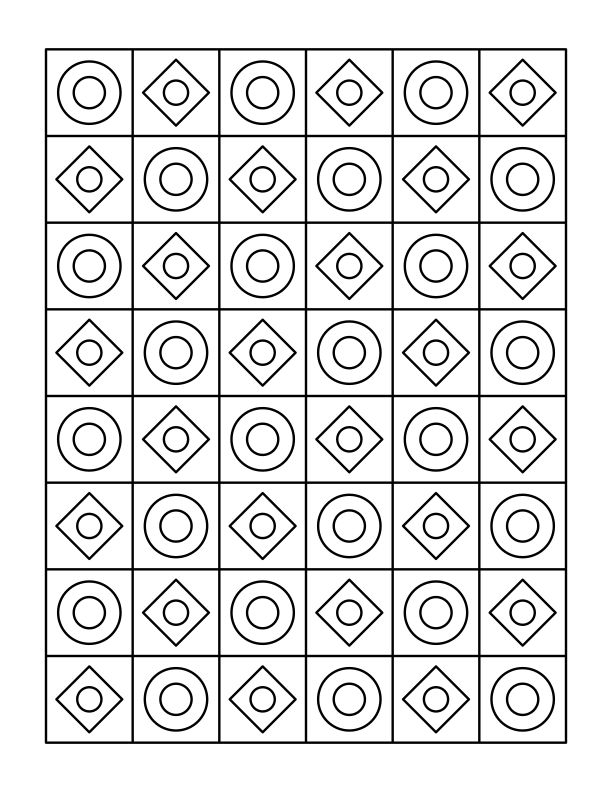
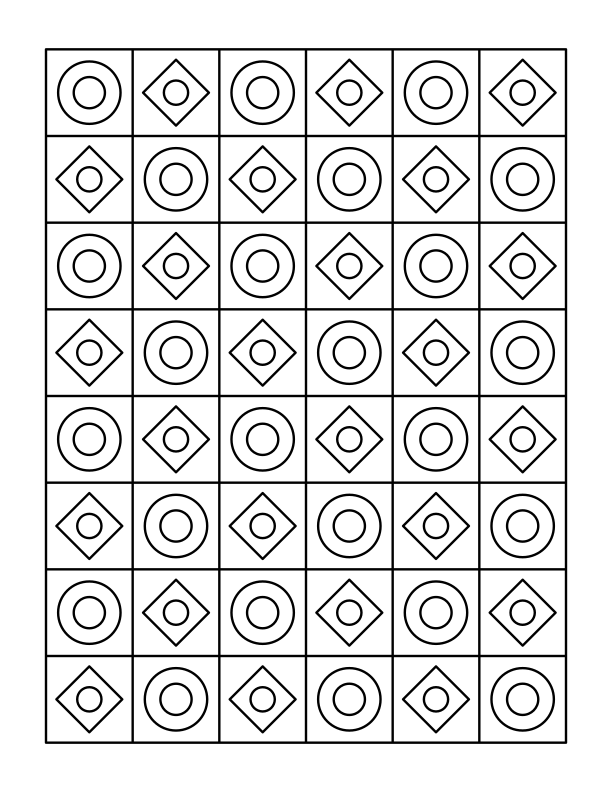
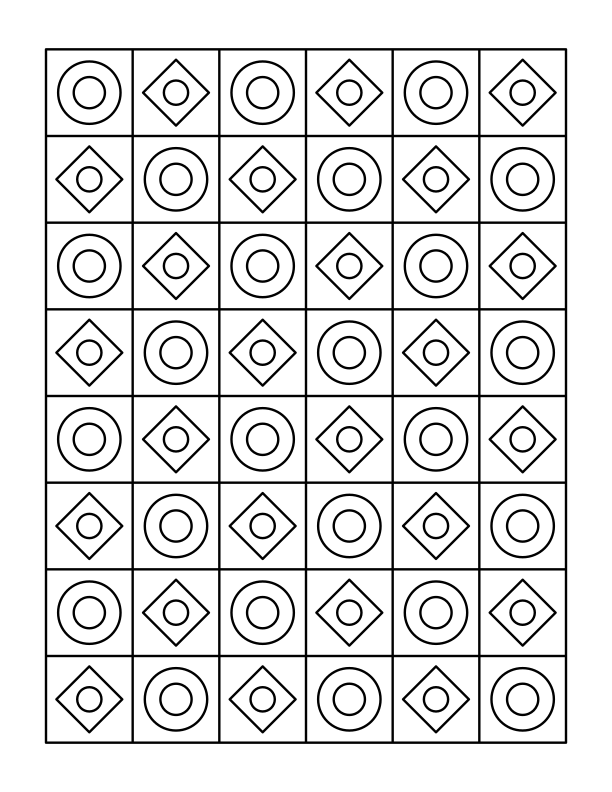
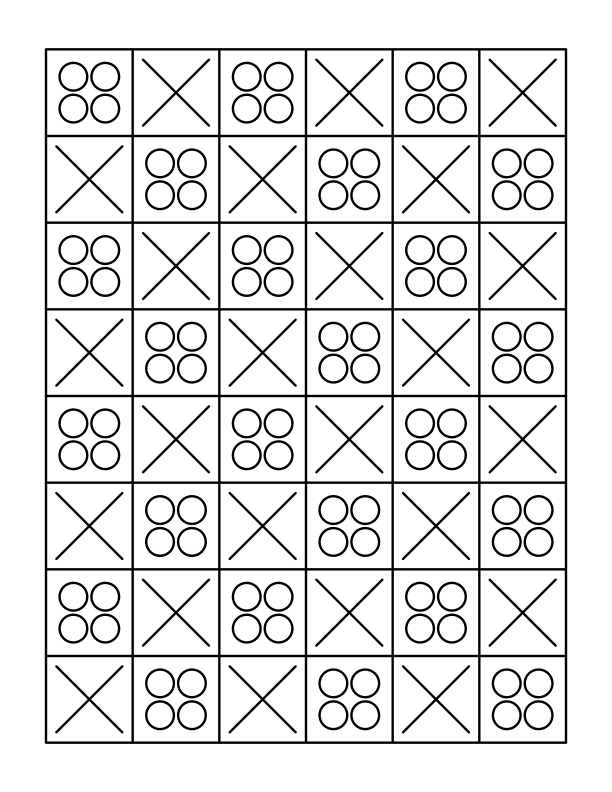
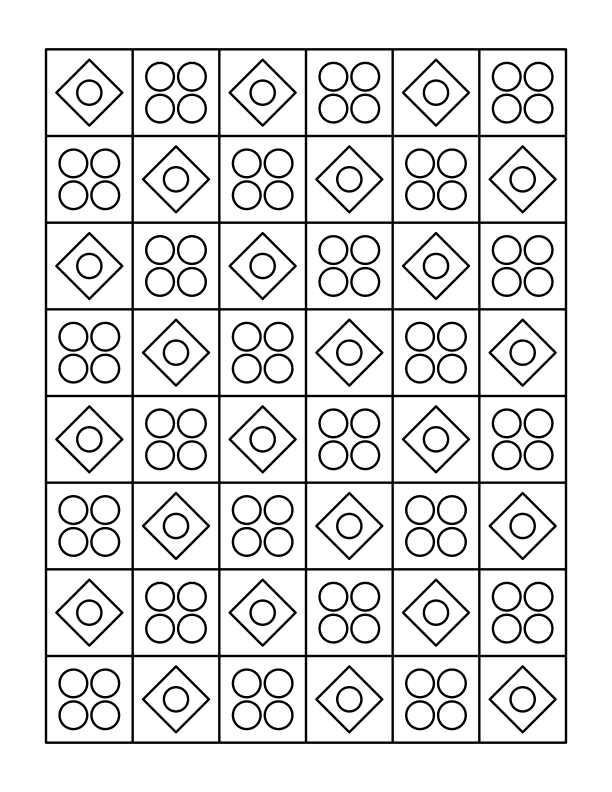
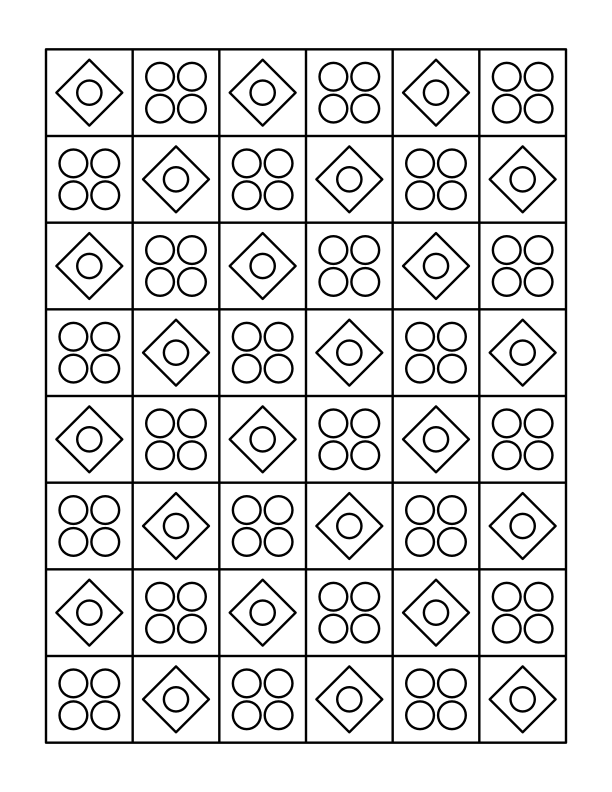
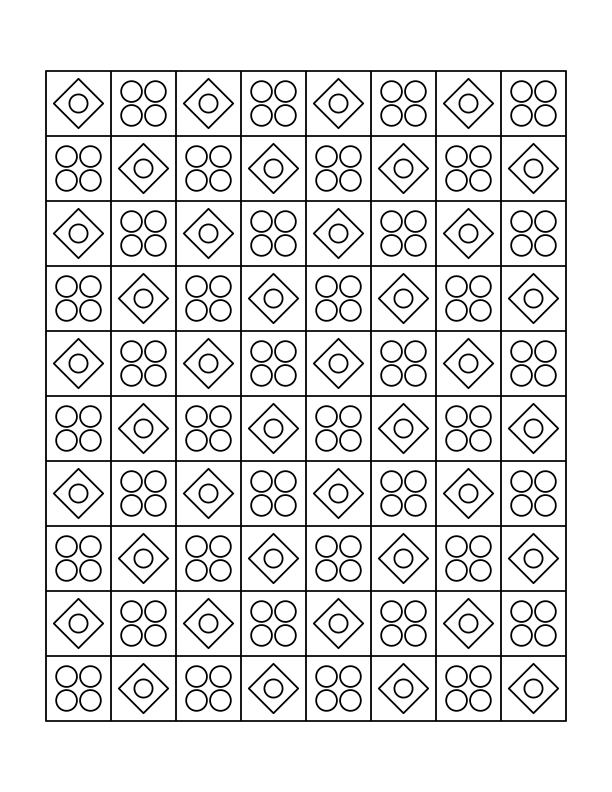
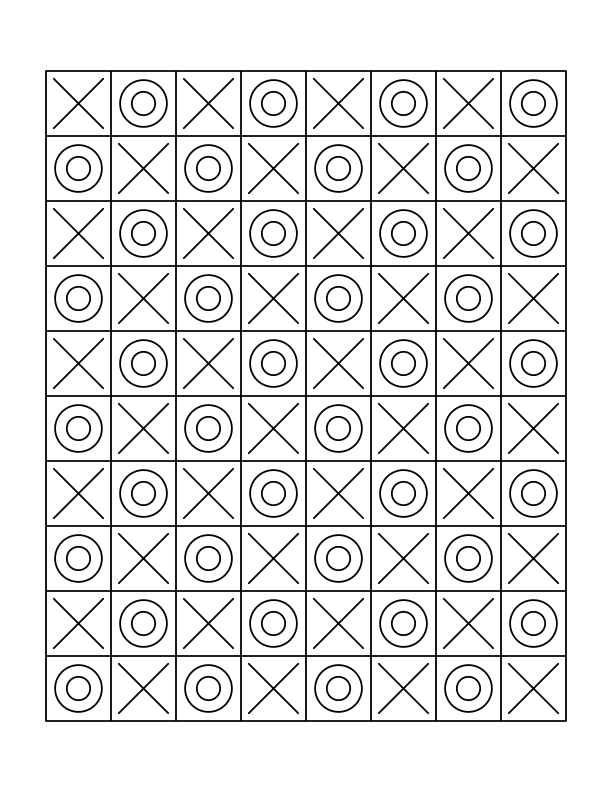
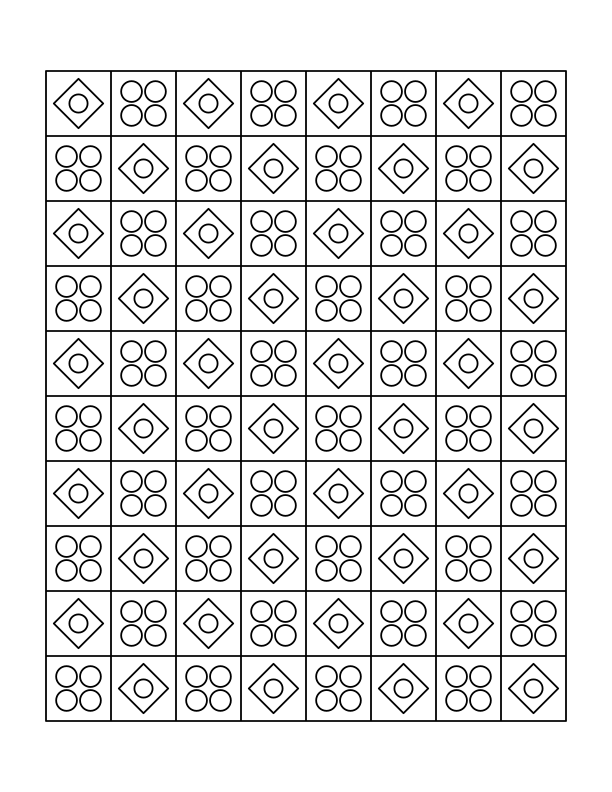
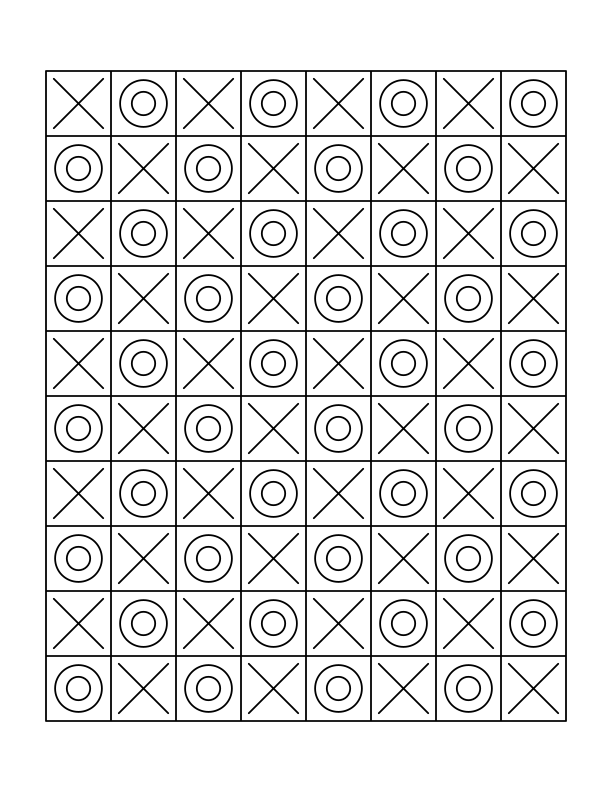
Every design below is available two ways: a vector PDF that prints razor-sharp on US Letter or A4 at any scale, and a color-online mode you can tap through on a phone or tablet. Files are a few kilobytes each. No giant downloads, no watermarks, no signup. This set contains 8 easy, 10 medium and 6 detailed designs.
These are vector files, so “Fit to page” will not blur them. Print at 100% for US Letter or let your printer scale to A4, in grayscale, since the pages contain no color. Ordinary copier paper suits crayons and pencils; use 160 gsm cardstock for markers. Free to print at home, in a classroom or in a library, see the license.
How to color these pattern coloring pages
Repeating patterns are the least demanding pages here, and that is their appeal. There is no composition to plan and no center to build towards. Every cell is a self-contained little puzzle, so you can put the page down mid-row and pick it up a day later without losing your thread.
Two approaches both work. Color each cell independently and let the page become a patchwork, or treat the grid as a canvas and lay a larger shape across it. A diagonal stripe, a checkerboard, a color that fades from one corner to the other. The second takes no more effort and turns a simple exercise into something worth putting on a wall.
Why a grid rather than a circle
Radial designs have a hierarchy: the center matters most and the outer ring matters least, which means abandoning one halfway through leaves it visibly unfinished. A grid has no hierarchy at all. Every cell is equal, so a half-colored page still looks intentional, and there is no wrong place to start.
That makes these pages useful in settings where sessions get interrupted, classrooms, waiting rooms, care homes. And for anyone who finds the blank-center problem of a fresh mandala slightly paralysing.
Frequently asked questions
Are these suitable for children?
The easy grids are, yes. Four columns of large simple shapes. The detailed grids run to eight columns of small cells, which suits older children and adults better.
Can I use these as wrapping paper or backgrounds?
Yes. Color one, scan or photograph it, and it tiles reasonably well. The licence covers personal and classroom use, including craft projects made from the printed pages.
Why do some cells look identical?
They are, deliberately. A repeating pattern needs repetition to read as a pattern. In the medium and detailed sets, adjacent cells alternate between two motifs so the grid has rhythm without becoming monotonous.
Why are the PDFs so small?
Most printable sites publish a photograph or scan wrapped in a PDF, typically 300 KB to 1 MB per page. The mandalas and patterns in this collection are true vector drawings: about four kilobytes each, so they download instantly and print at any size without pixelation.
Can I use these in a classroom or library?
Yes. Print as many copies as you need. See the licence for the full terms; the short version is that everything here is free to print and share, and the only restriction is on reselling the files themselves.