Home › Easy Mandala Coloring Pages
24 Free Printable Easy Mandala Coloring Pages
Easy mandala coloring pages with large open shapes and thick outlines, designed so younger children can stay inside the lines with crayons or thick markers. No tiny gaps, no fussy detail.
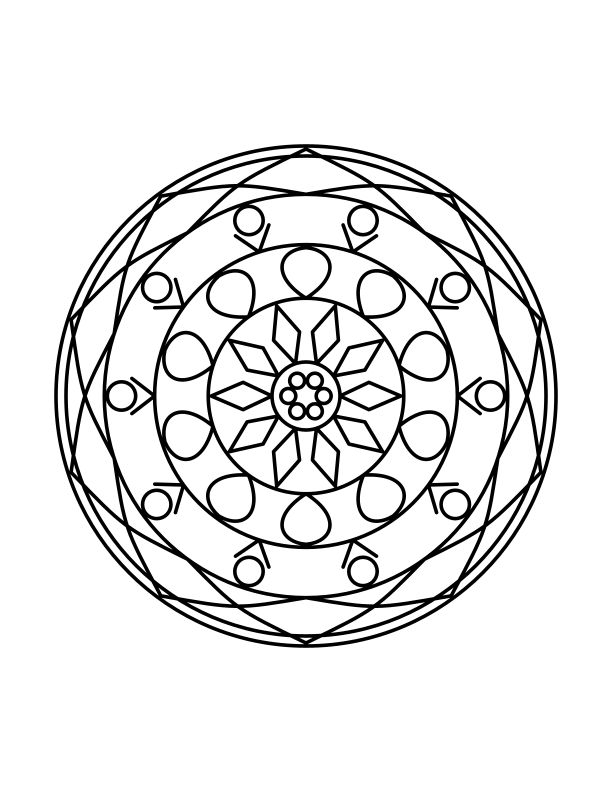
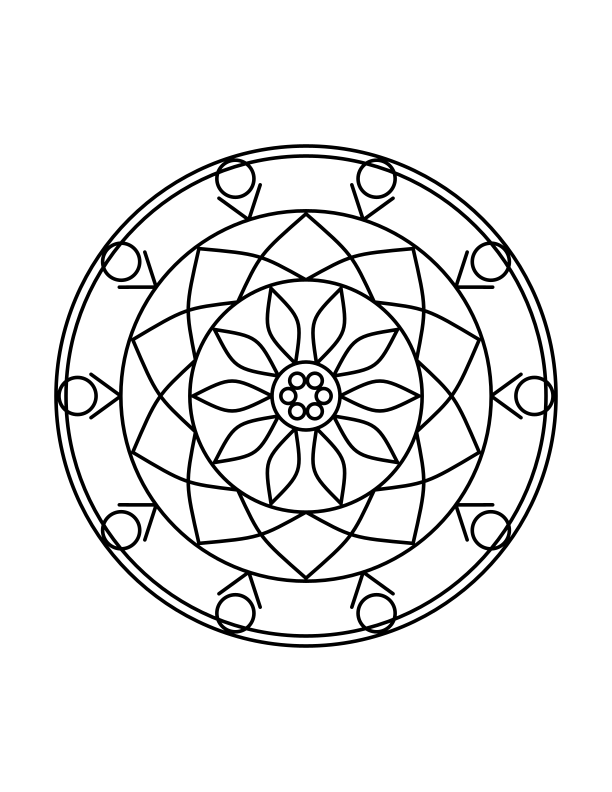
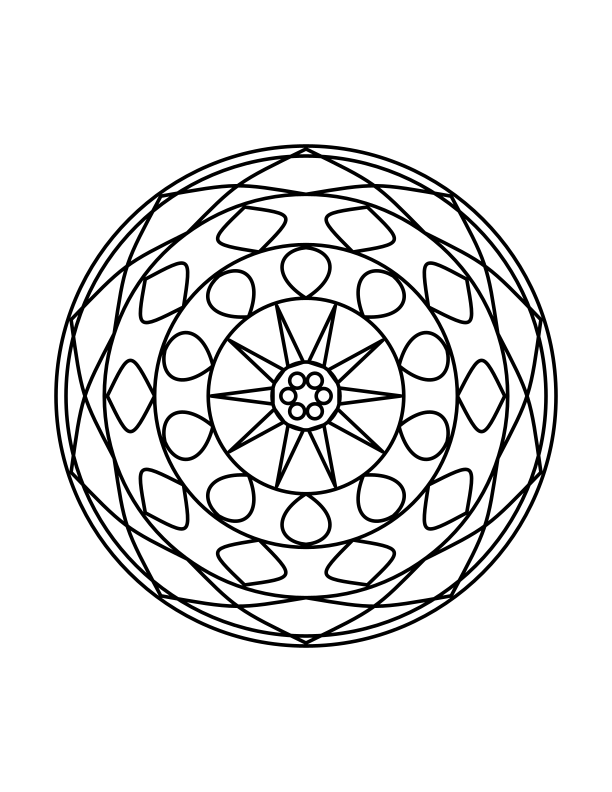
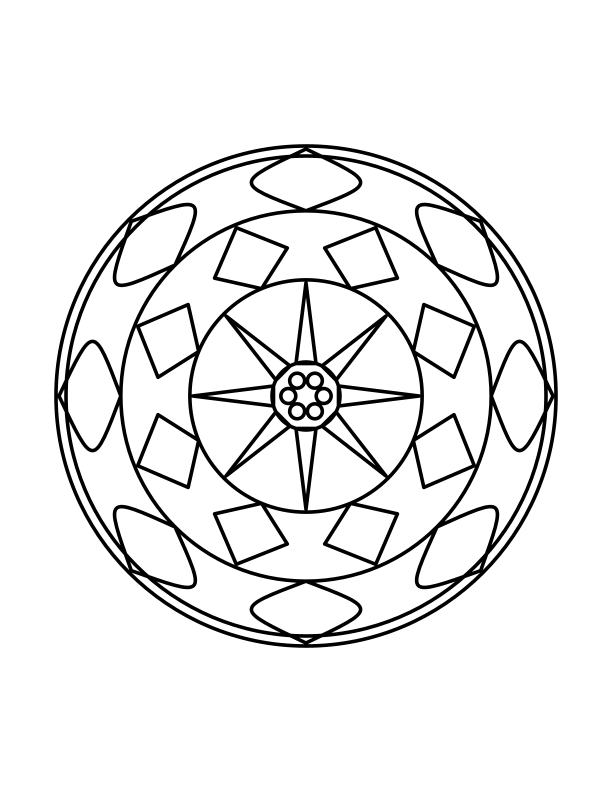
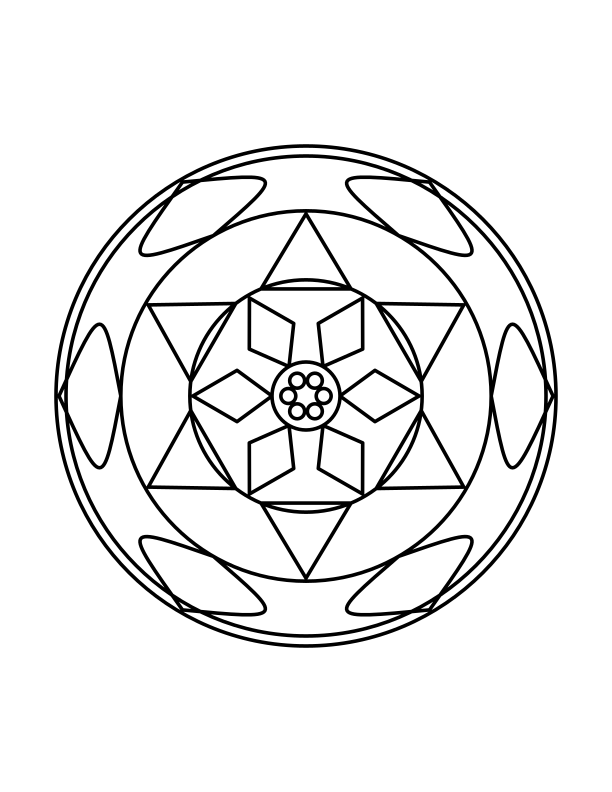
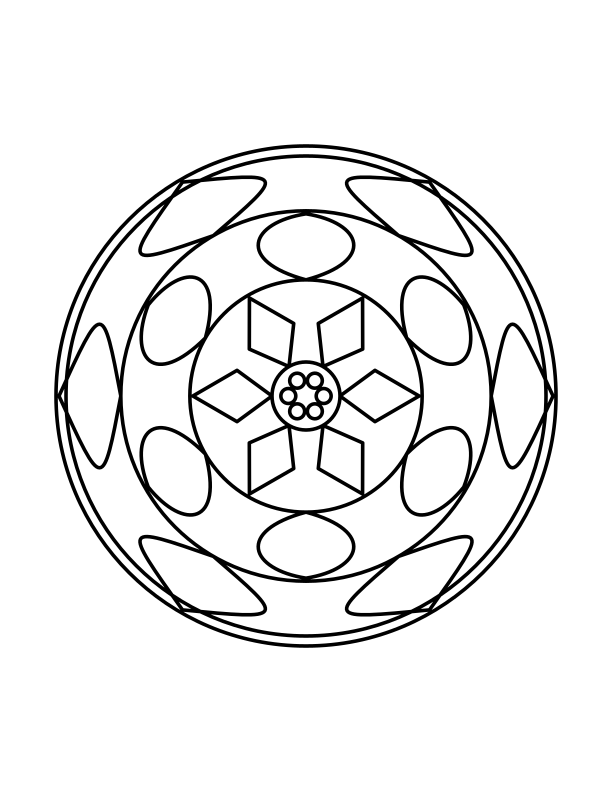
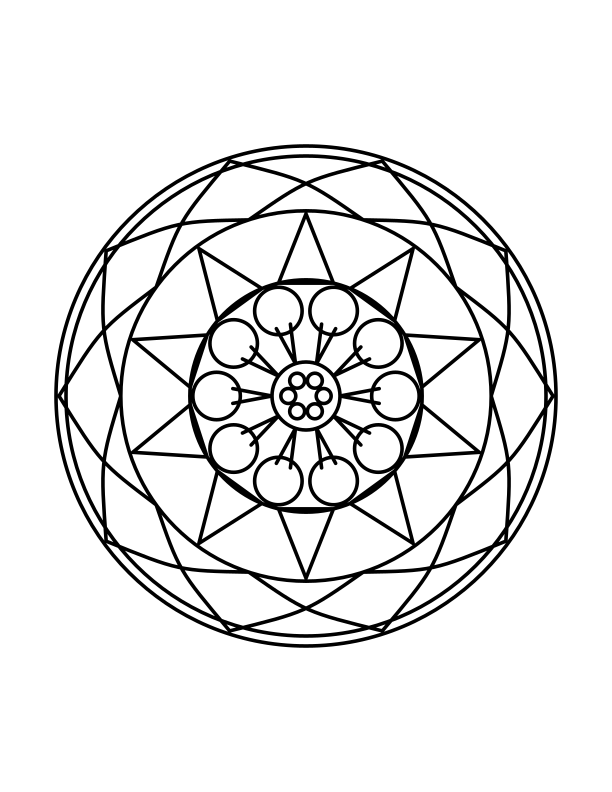
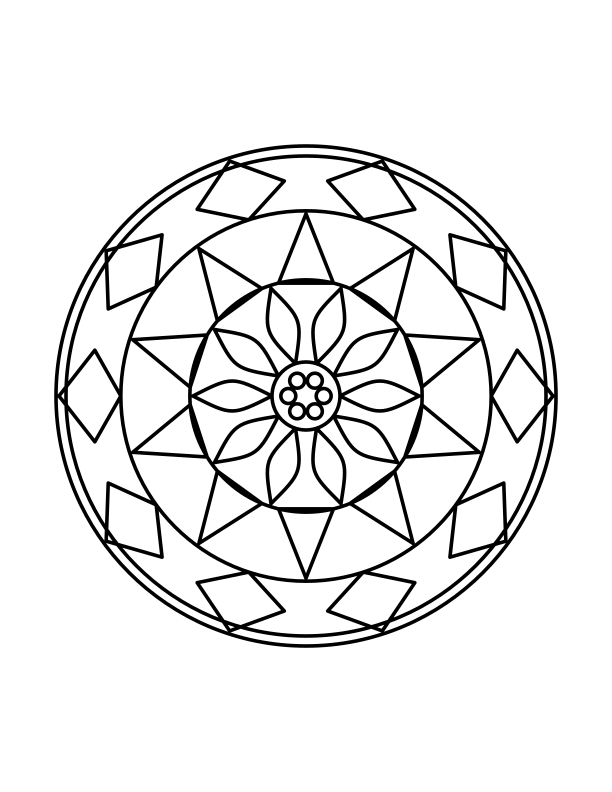
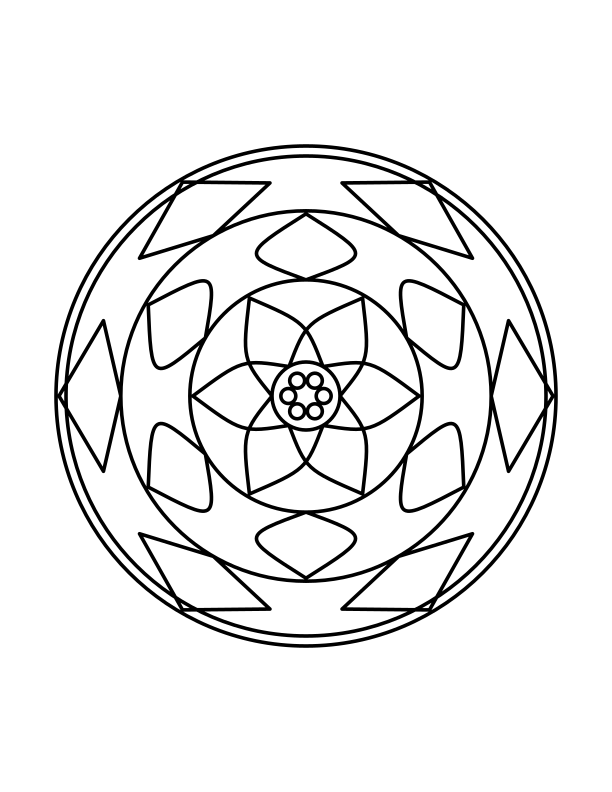
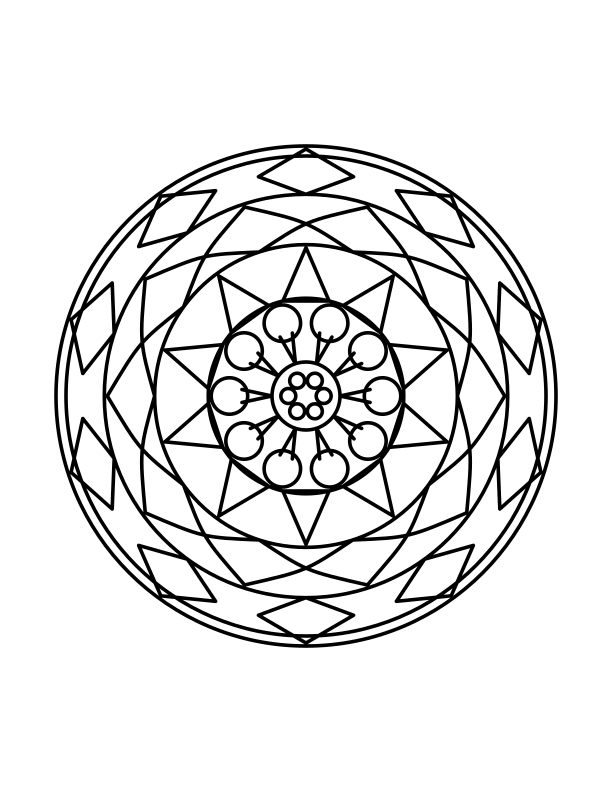
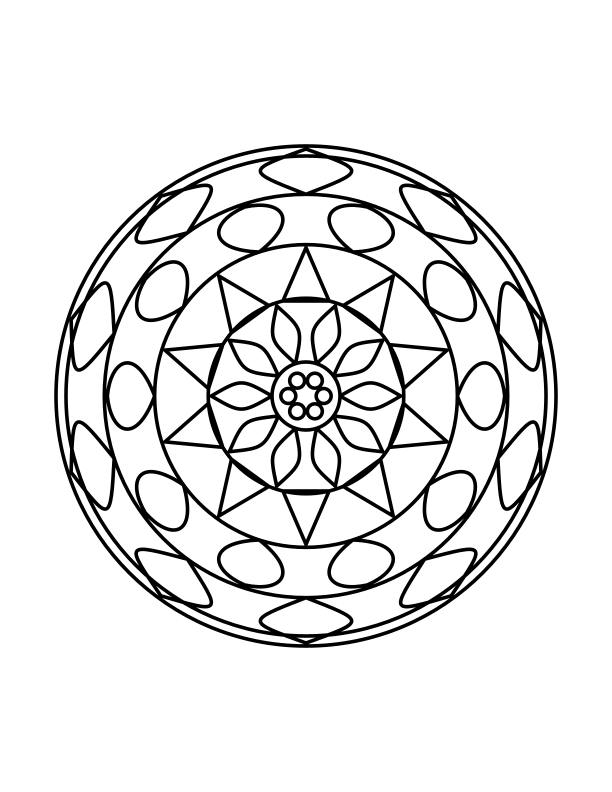
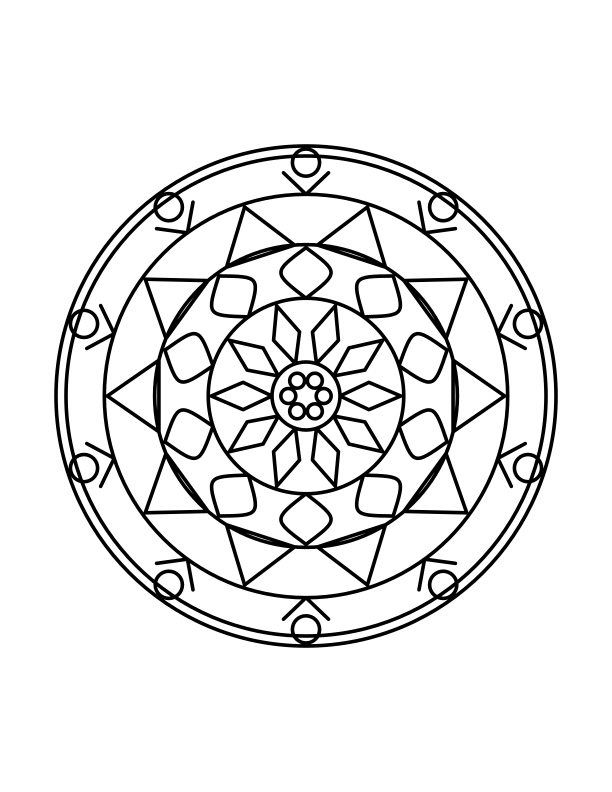
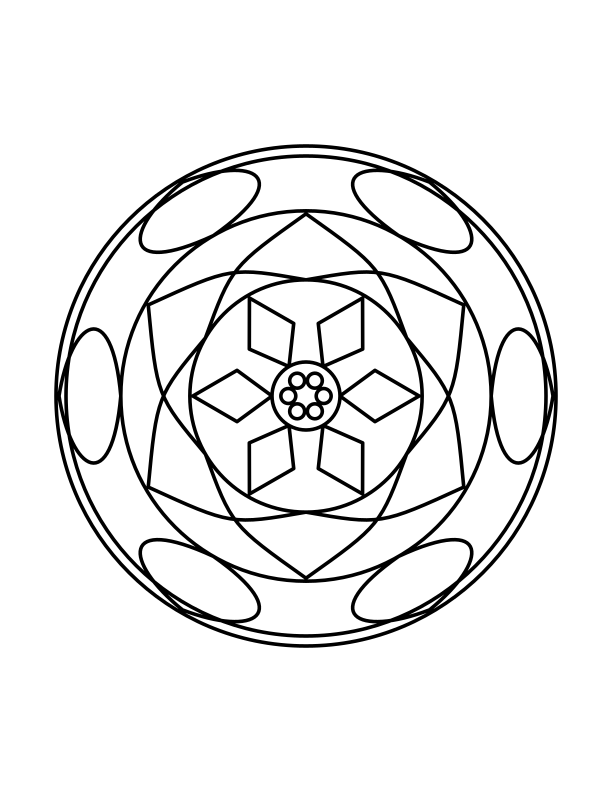
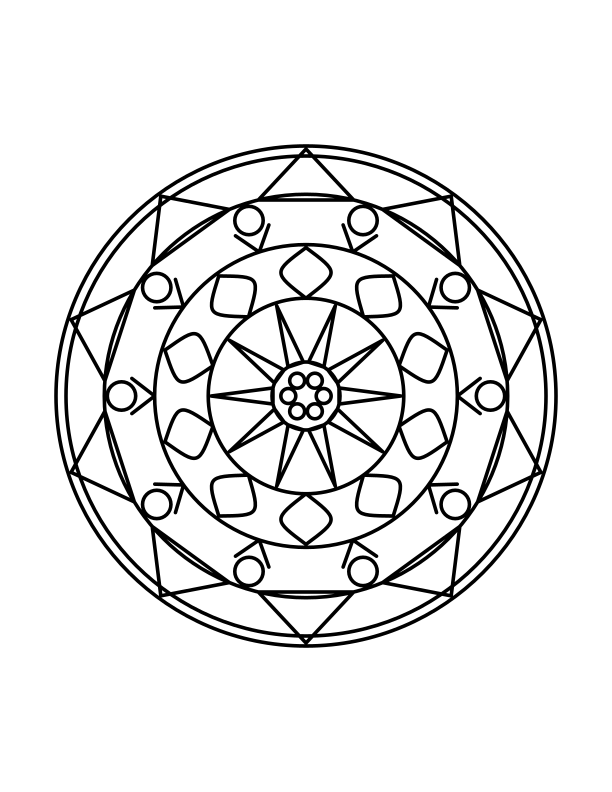
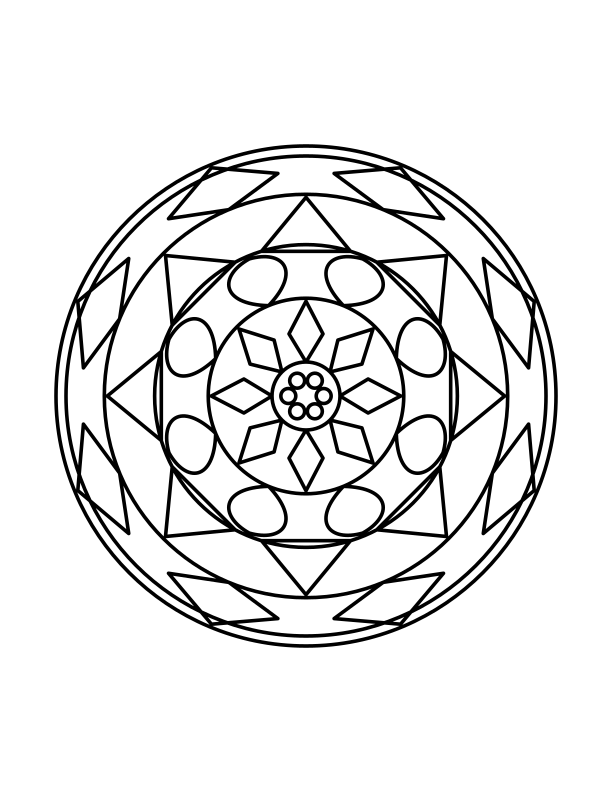
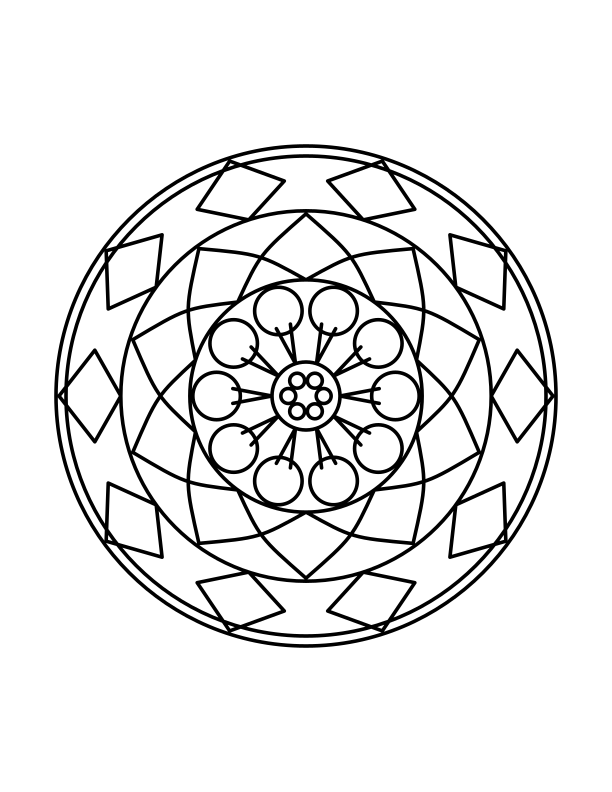
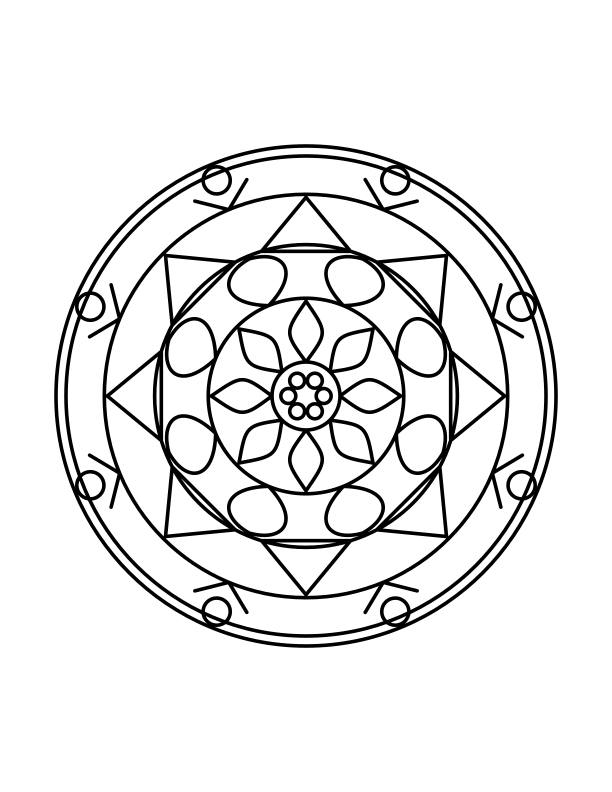
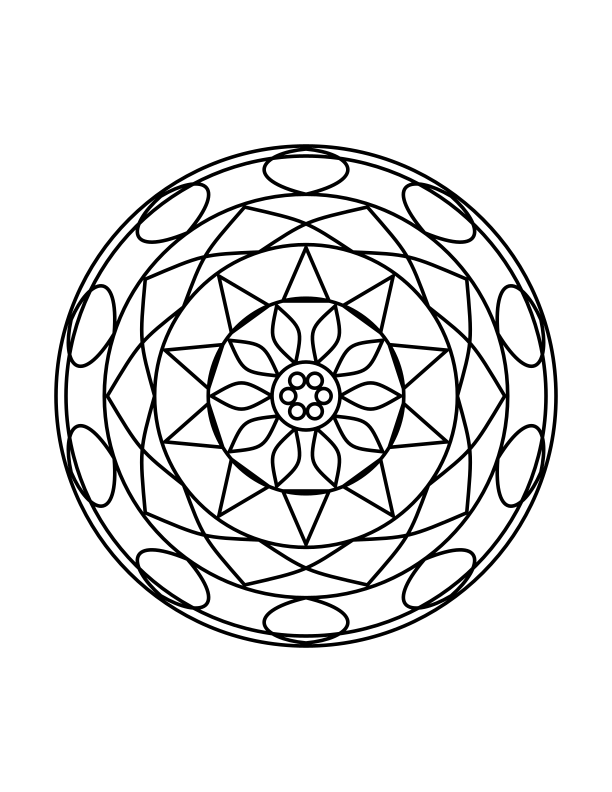
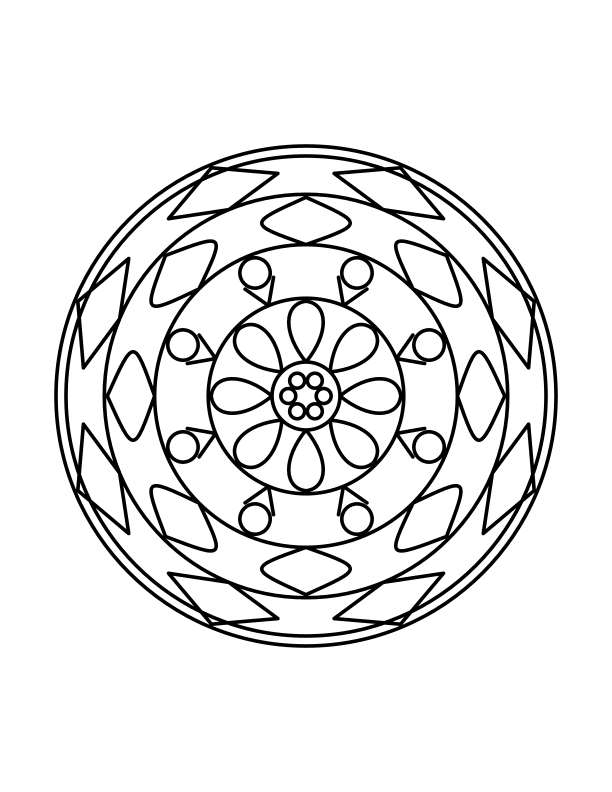
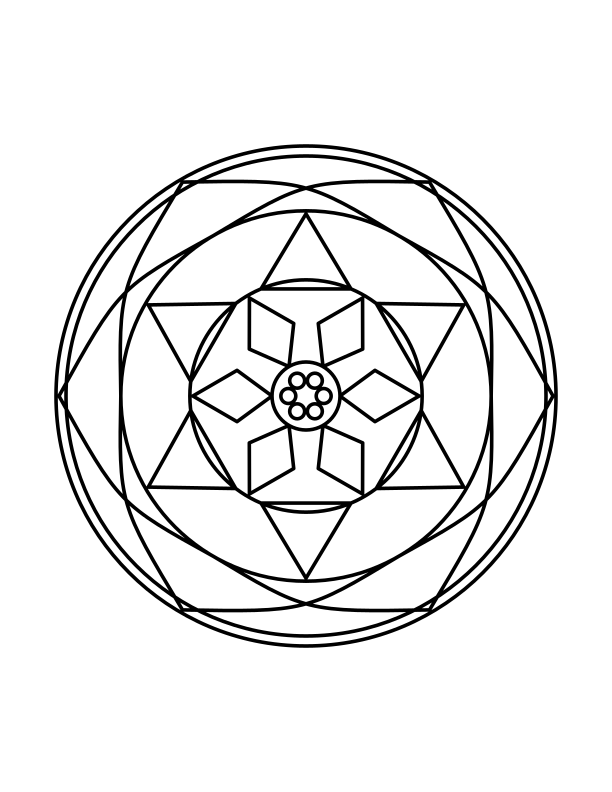
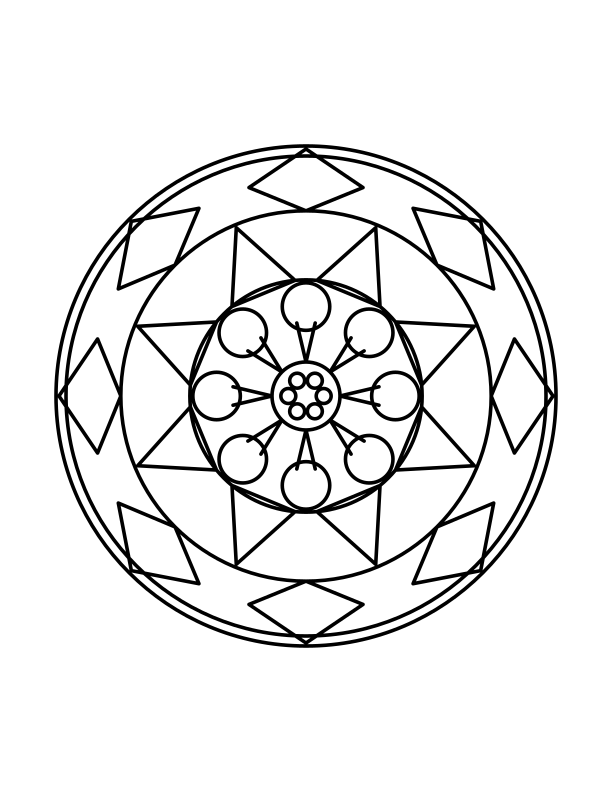
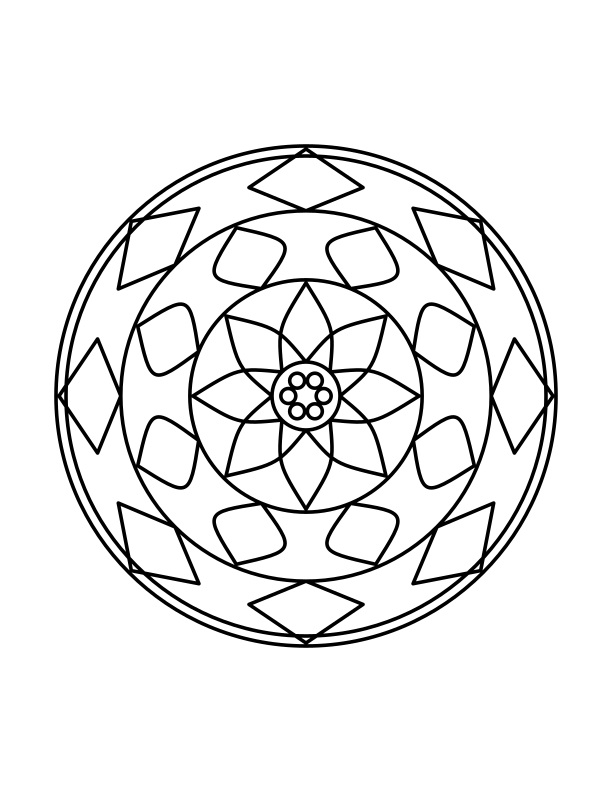
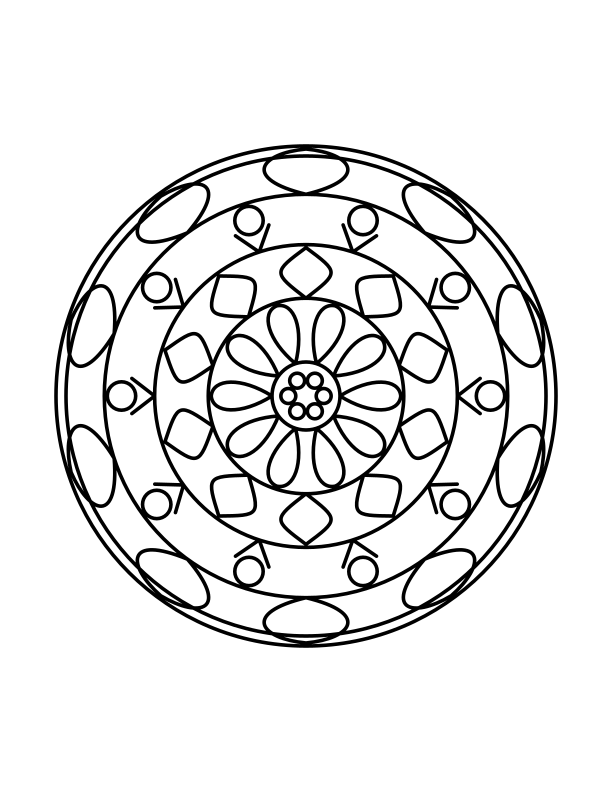
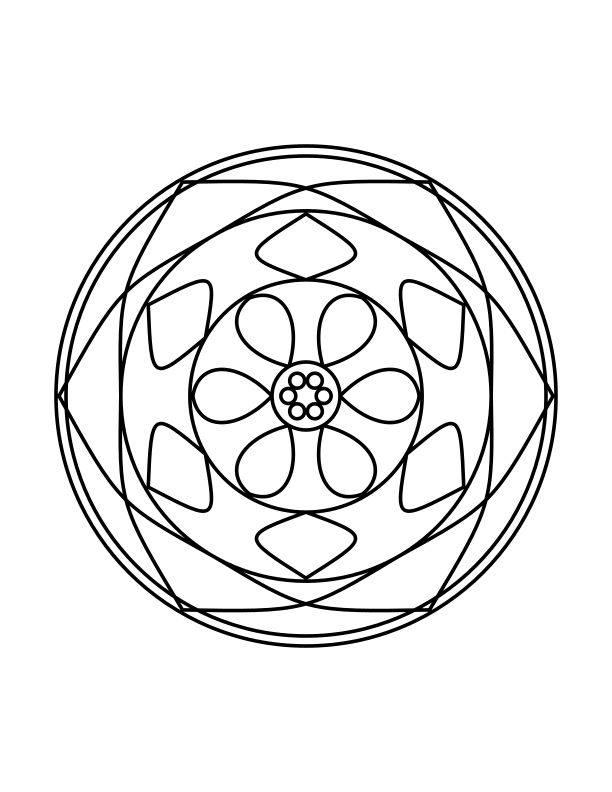
Every design below is available two ways: a vector PDF that prints razor-sharp on US Letter or A4 at any scale, and a color-online mode you can tap through on a phone or tablet. Files are a few kilobytes each. No giant downloads, no watermarks, no signup.
These are vector files, so “Fit to page” will not blur them. Print at 100% for US Letter or let your printer scale to A4, in grayscale, since the pages contain no color. Ordinary copier paper suits crayons and pencils; use 160 gsm cardstock for markers. Free to print at home, in a classroom or in a library, see the license.
How to color these easy mandala coloring pages
These designs were drawn with small hands in mind, so the usual advice about fine-tipped pencils does not apply. Thick wax crayons, chunky markers and even finger-paint all work here, because every enclosed area is large enough to fill with a few strokes. Expect a four-year-old to go outside the lines and expect that to be fine. The shapes are simple enough that the pattern still reads.
A trick that works well with young children: name the rings before you start. "The outside is the sky, the middle is the garden, the middle-middle is the flower." Children color far more happily when the abstract shapes have been given something to be, and it turns a quiet activity into a story you build together.
What makes a design "easy"
Three things, and they are all decisions made before the page is drawn. The outlines are thicker, about 3.6 points rather than the 1.9 used in the detailed set. So they stay visible under a heavy crayon. The symmetry order is lower, six to ten repeats instead of sixteen or twenty, so each individual shape is larger. And there are fewer concentric rings, which means fewer tiny leftover slivers between shapes.
The result is a page a child can finish in one sitting. That matters more than it sounds: an abandoned half-colored page teaches a child that the activity is beyond them, while a finished simple one sends them looking for the next.
Frequently asked questions
What age are these suitable for?
Roughly ages four to eight. Younger children can still enjoy them with thick crayons and no expectation of staying inside the lines; older children generally prefer the medium designs, which give them more to do.
Will crayon bleed through the paper?
Not on ordinary copier paper. Markers are a different matter. If you are handing these to a child with felt-tips, print on 160 gsm cardstock or slip a spare sheet underneath.
Can I print several to a page?
Yes. Choose "2 pages per sheet" in your print dialog and you get two half-size mandalas, which suits younger children who lose interest before a full page is done. Because these are vector files, the shrunk version stays perfectly sharp.
Why are the PDFs so small?
Most printable sites publish a photograph or scan wrapped in a PDF, typically 300 KB to 1 MB per page. The mandalas and patterns in this collection are true vector drawings: about four kilobytes each, so they download instantly and print at any size without pixelation.
Can I use these in a classroom or library?
Yes. Print as many copies as you need. See the licence for the full terms; the short version is that everything here is free to print and share, and the only restriction is on reselling the files themselves.