Home › Flower Mandala Coloring Pages
24 Free Printable Flower Mandala Coloring Pages
Flower mandala coloring pages built from lotus and petal motifs, with scalloped outer borders and layered blooms. Softer and more organic than geometric mandalas.
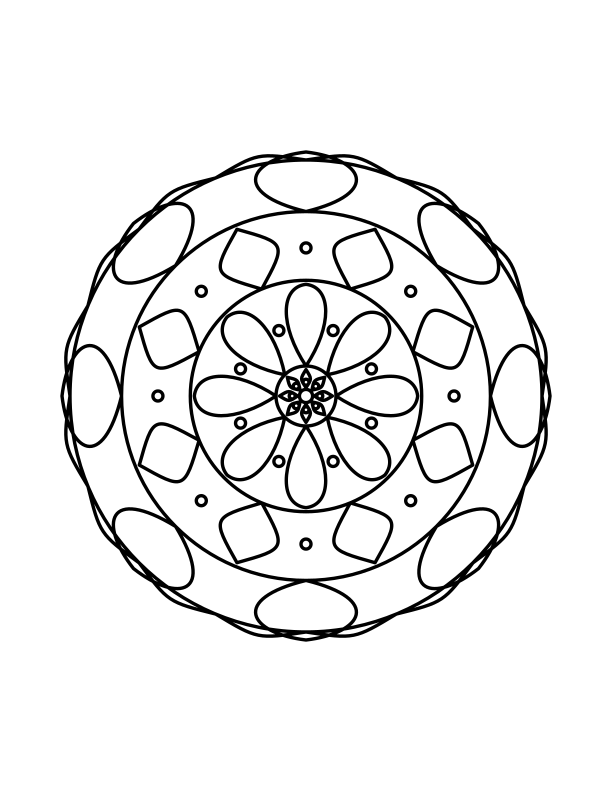
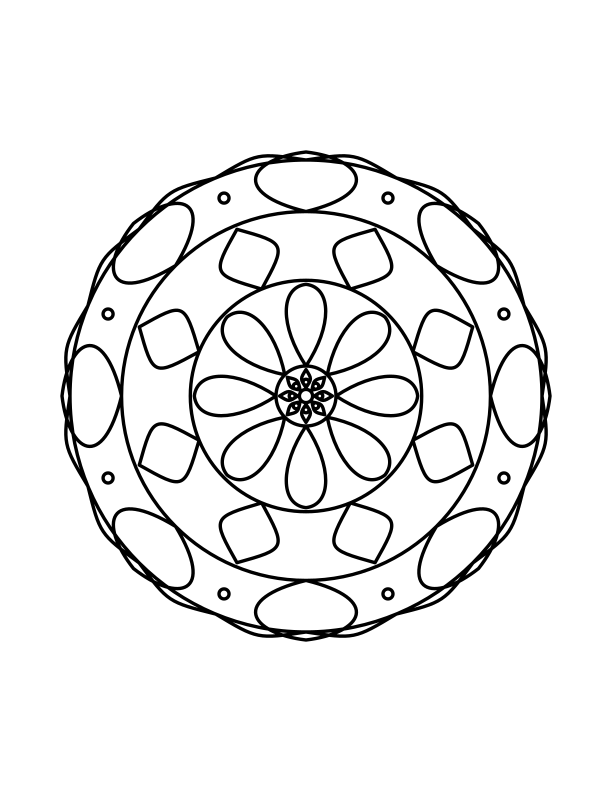
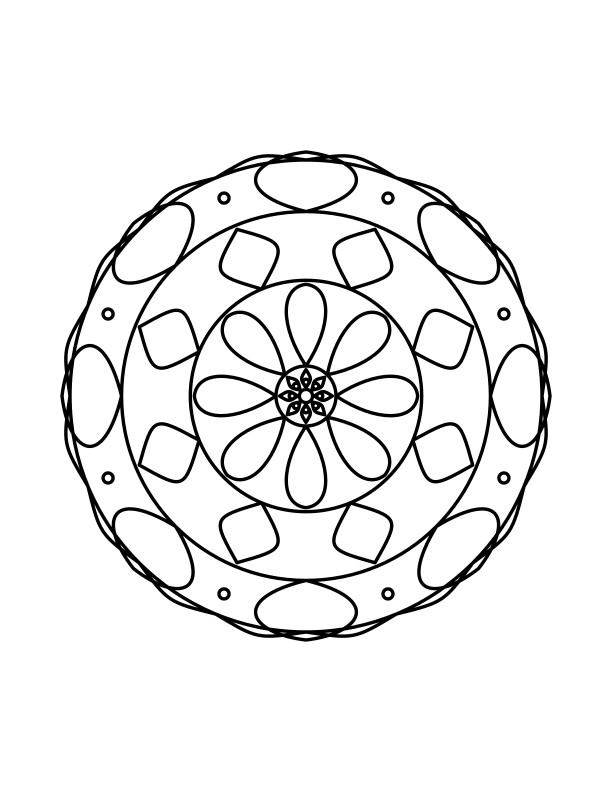
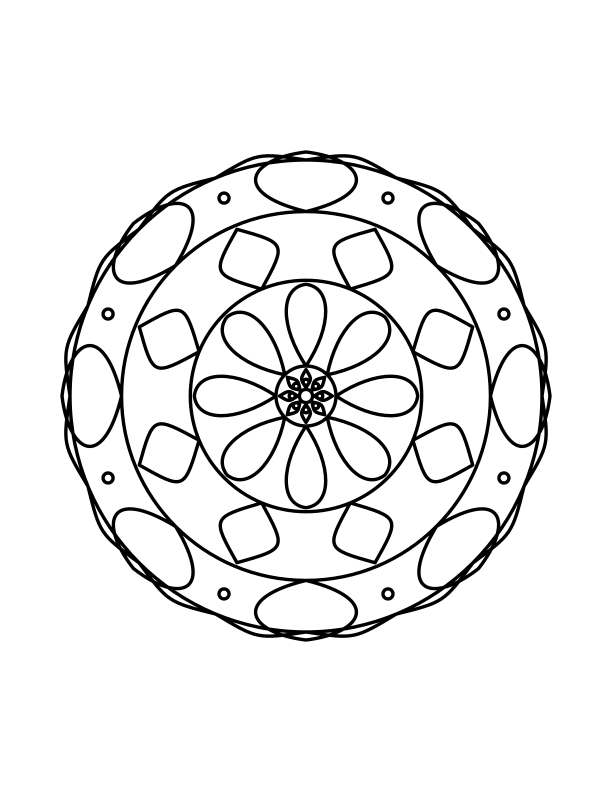
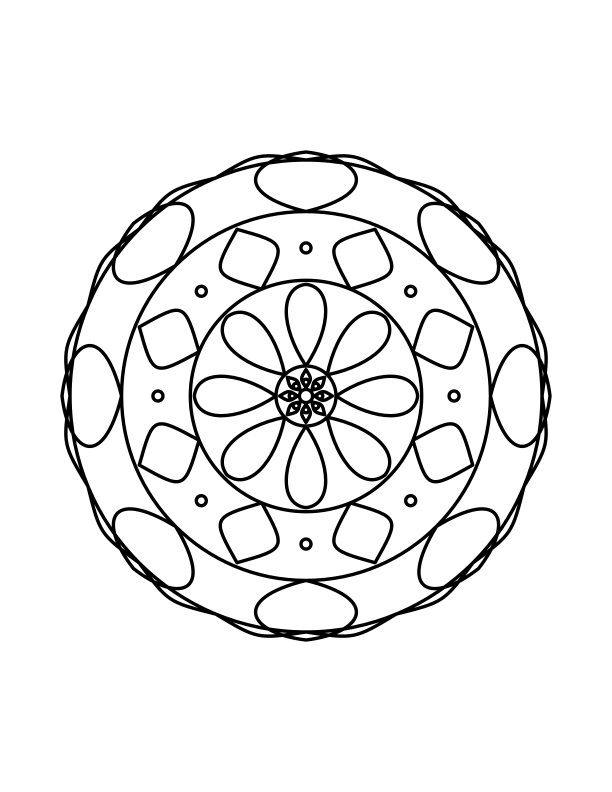
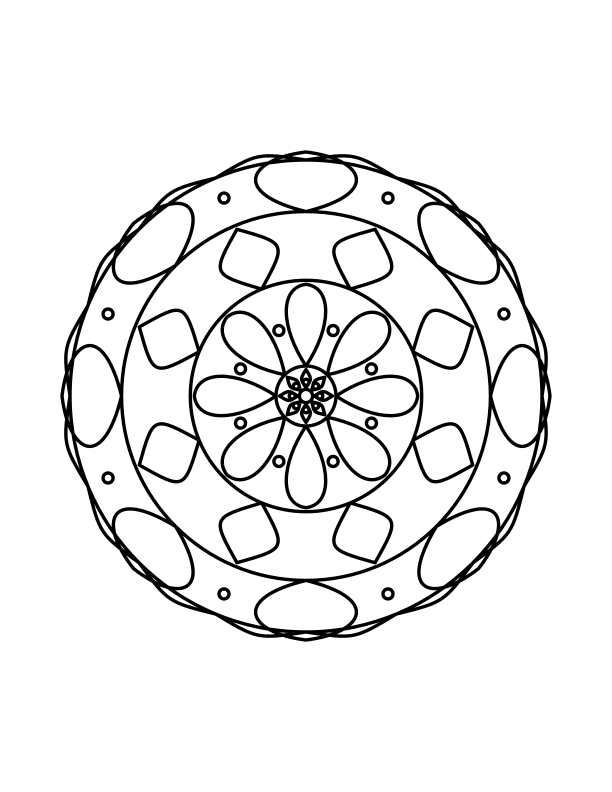
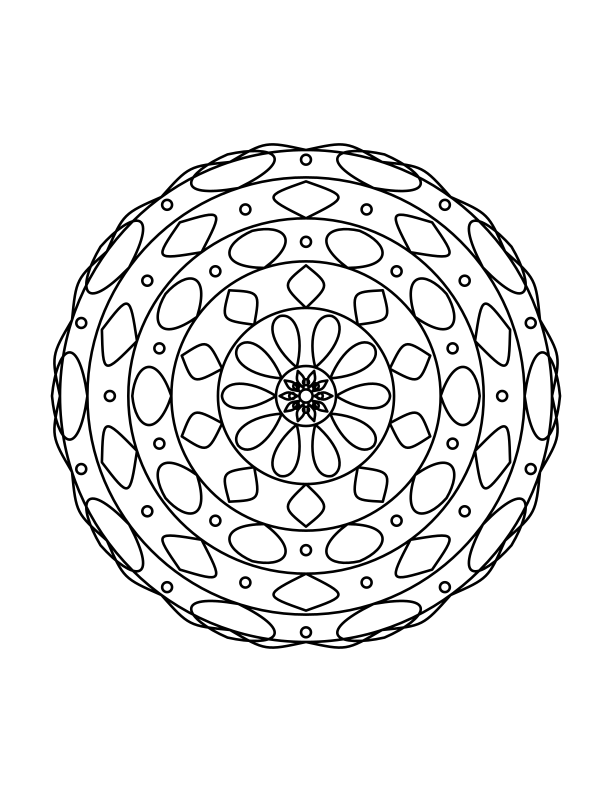
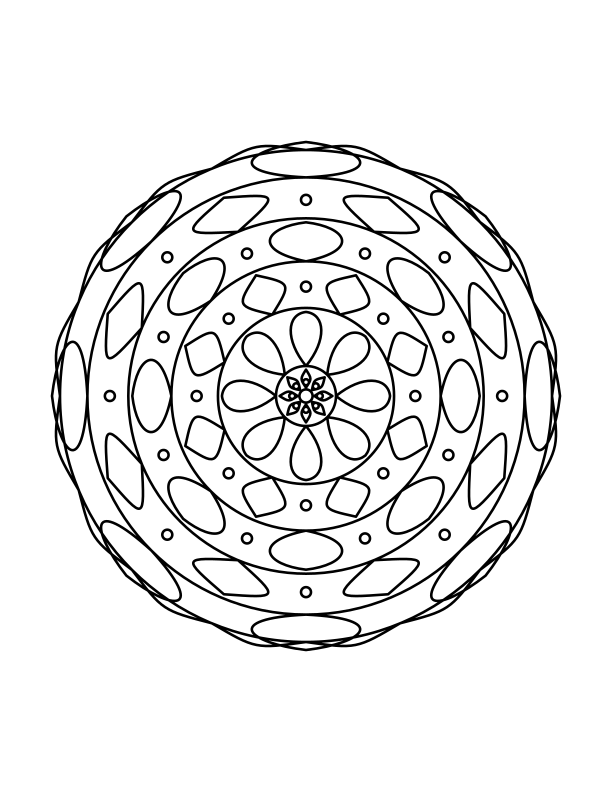
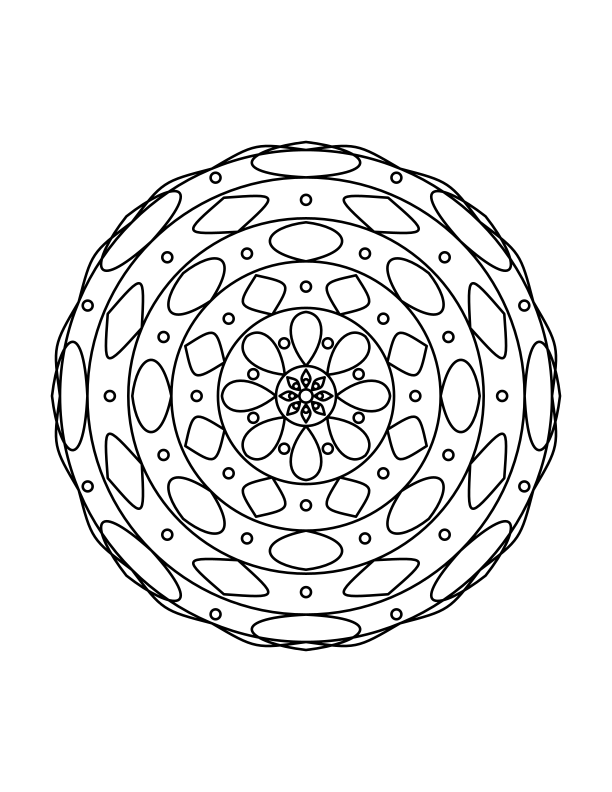
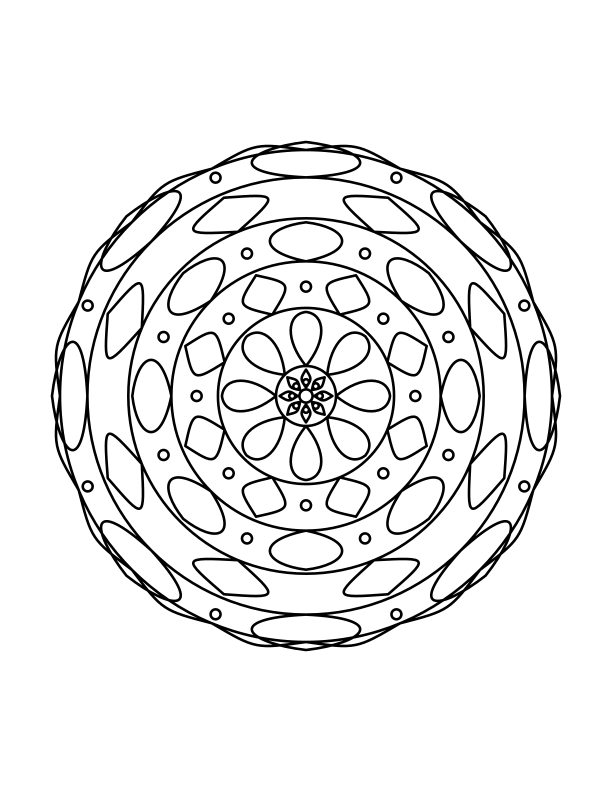
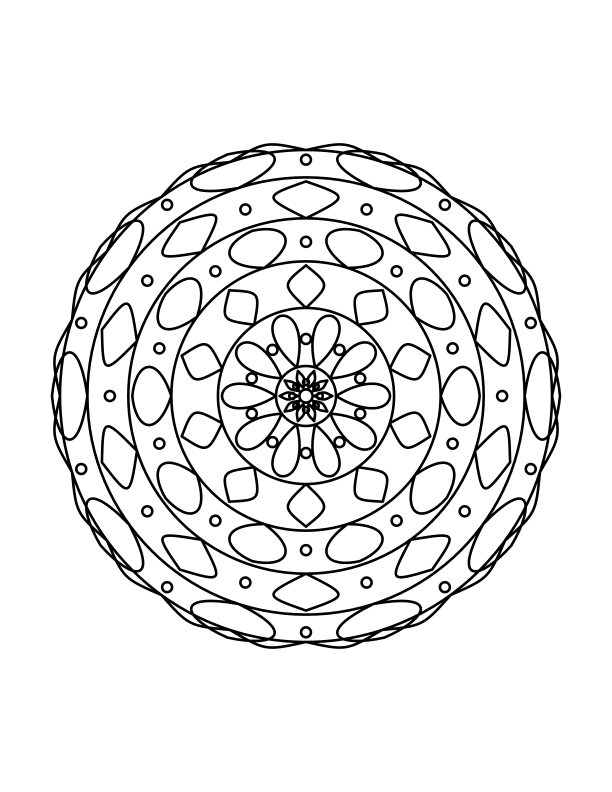
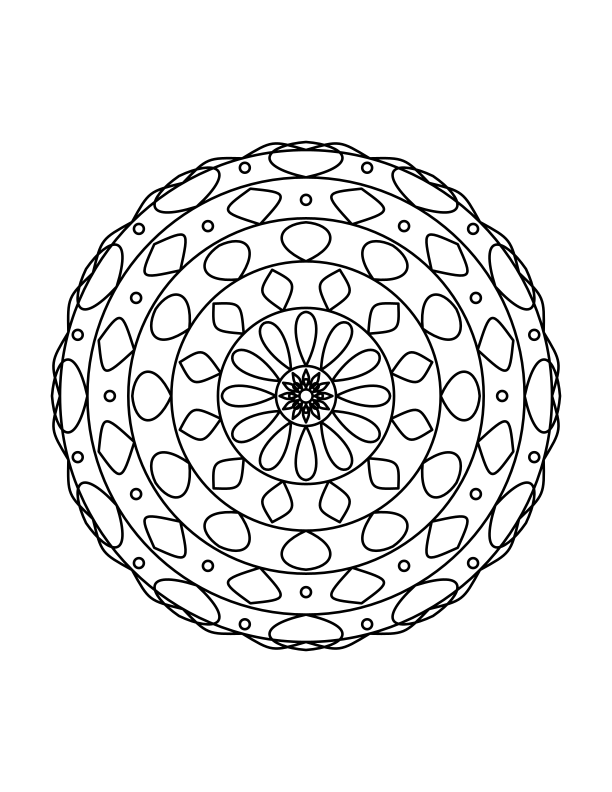
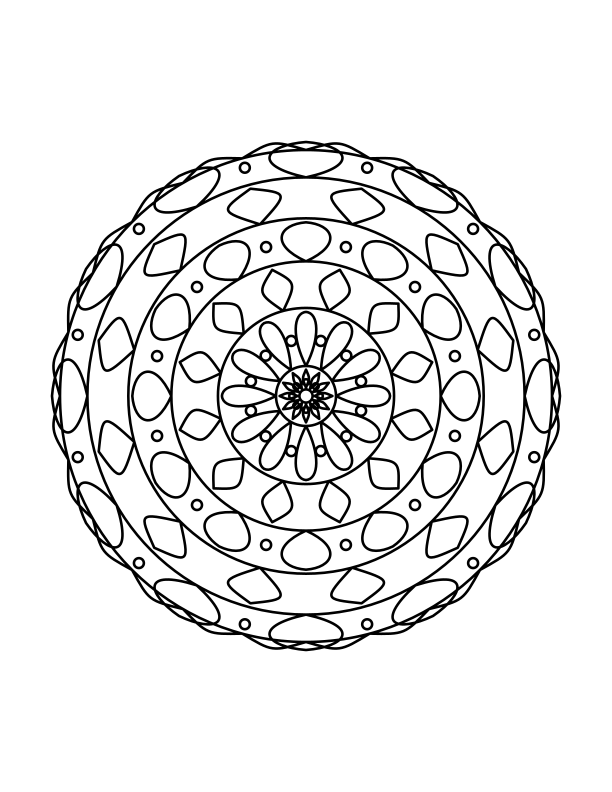
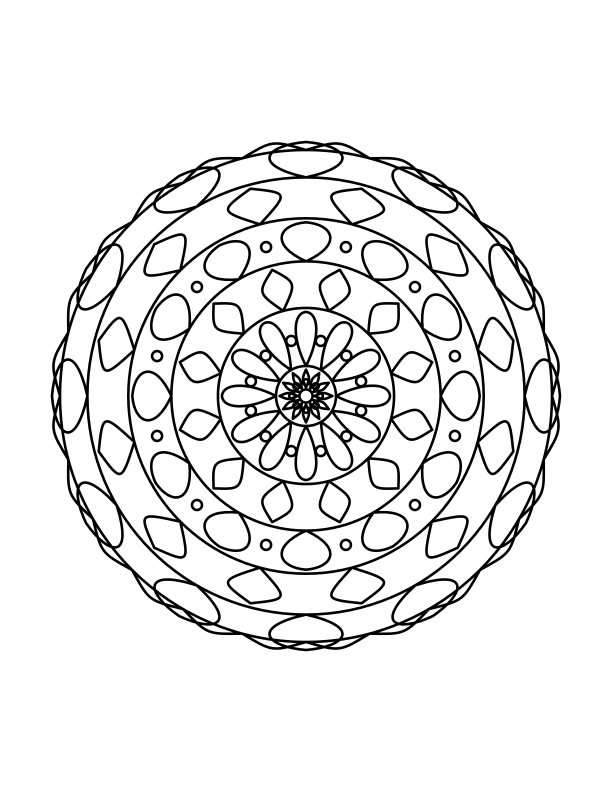
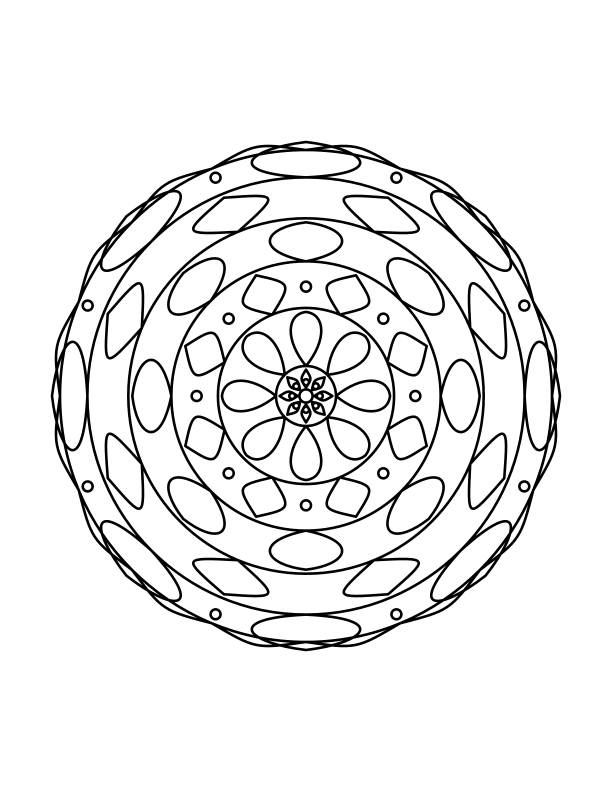
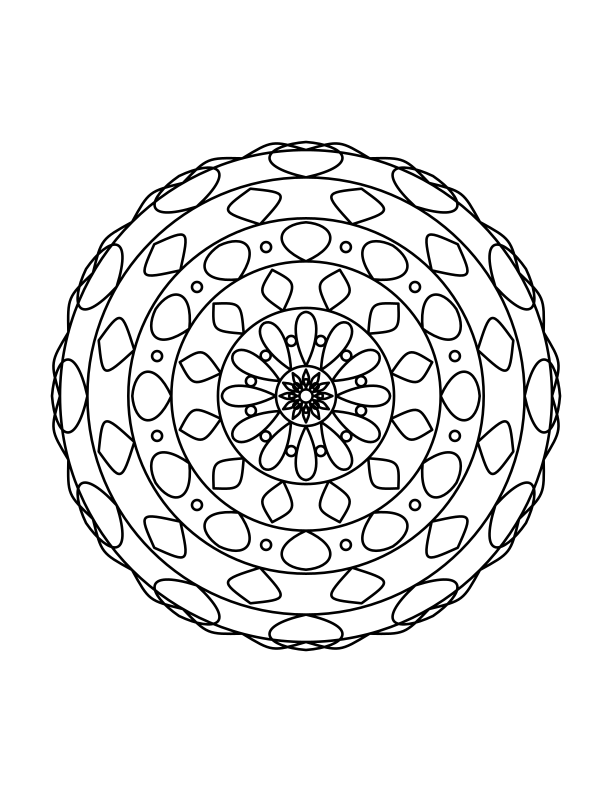
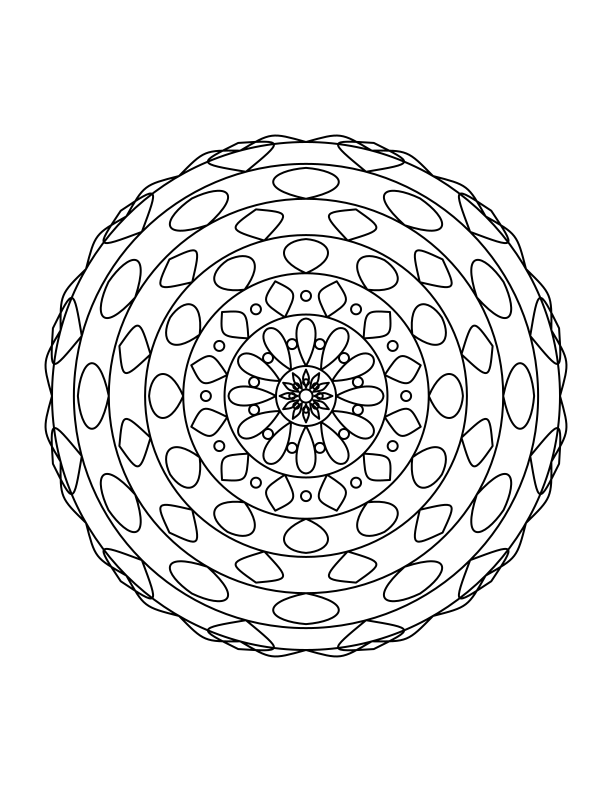
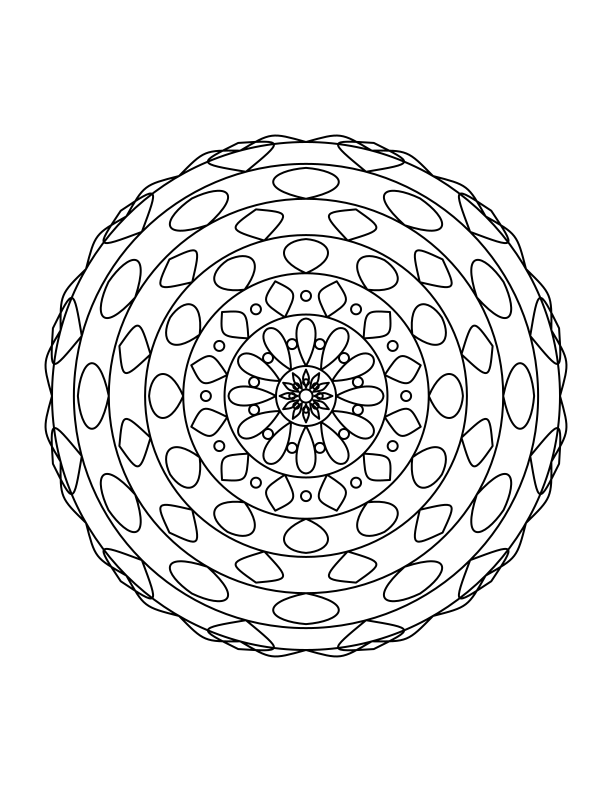
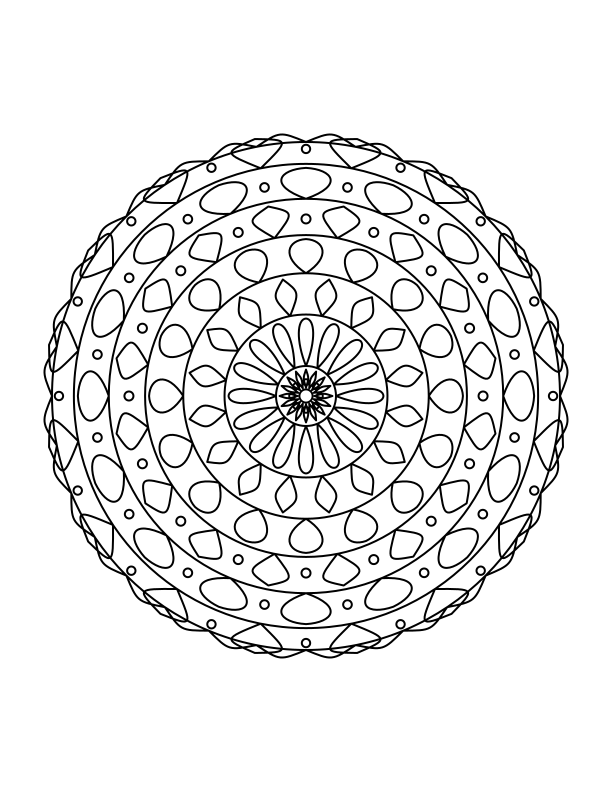
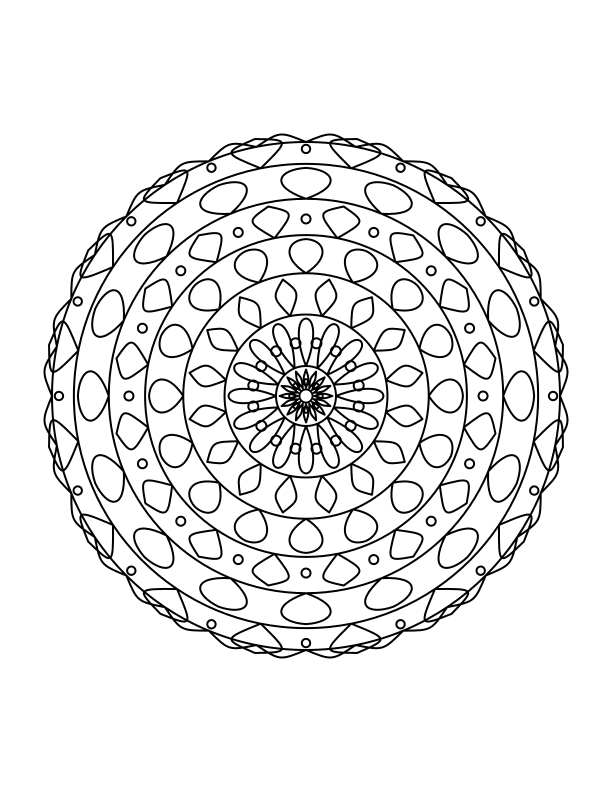
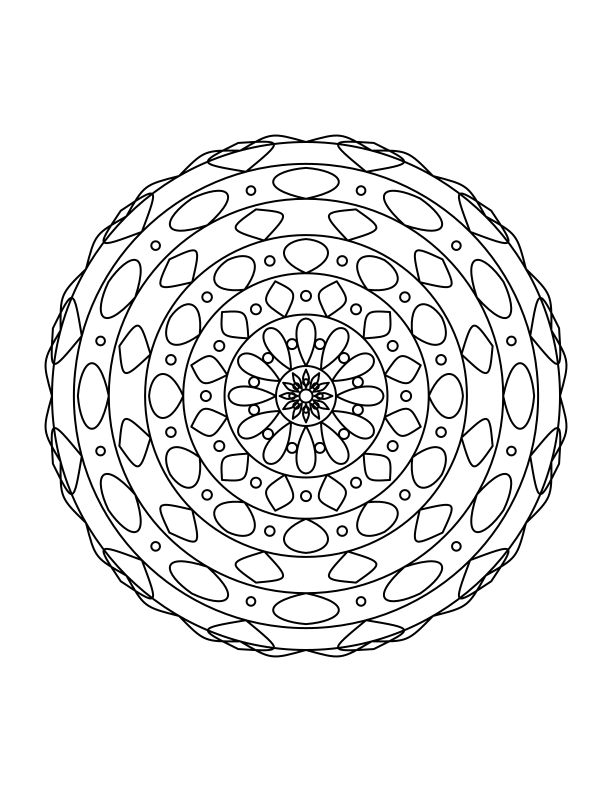
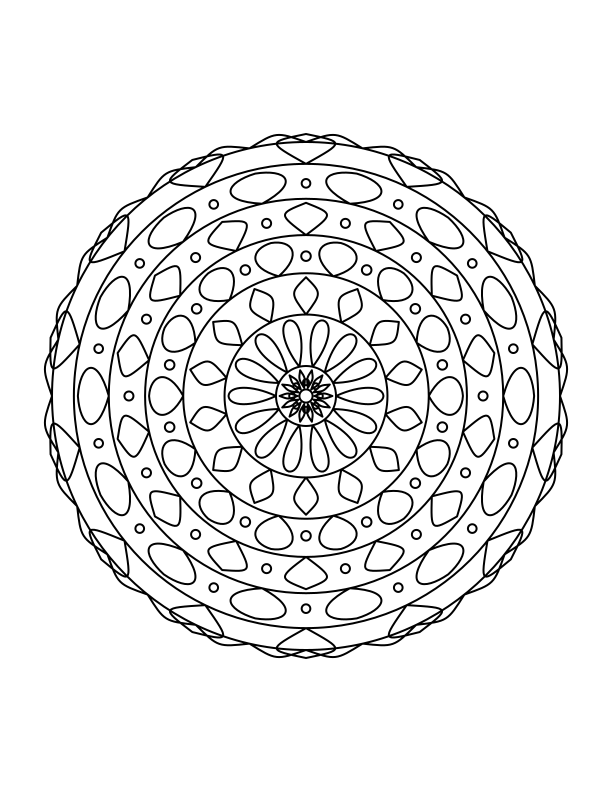
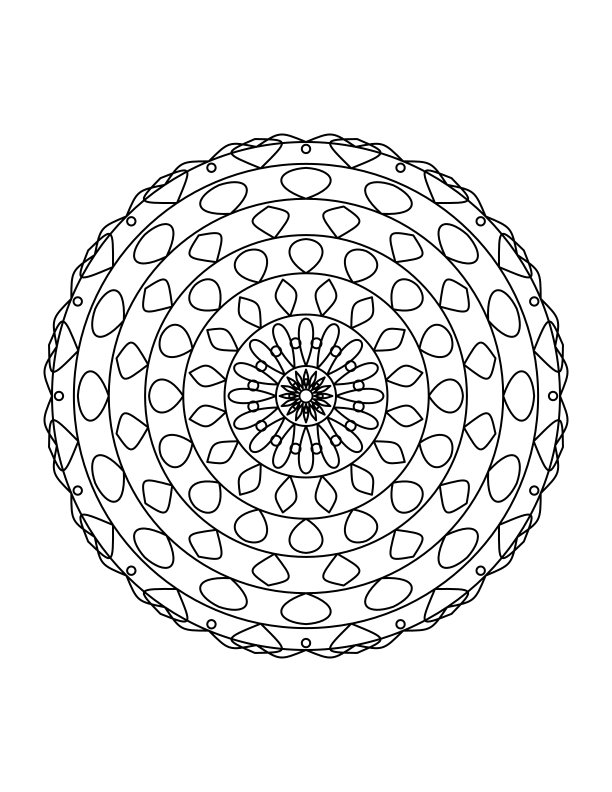
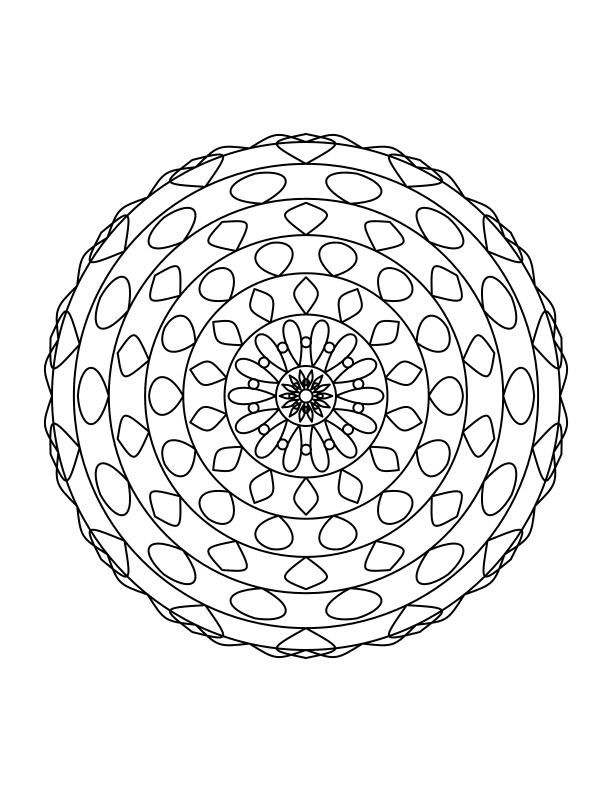
Every design below is available two ways: a vector PDF that prints razor-sharp on US Letter or A4 at any scale, and a color-online mode you can tap through on a phone or tablet. Files are a few kilobytes each. No giant downloads, no watermarks, no signup. This set contains 6 easy, 10 medium and 8 detailed designs.
These are vector files, so “Fit to page” will not blur them. Print at 100% for US Letter or let your printer scale to A4, in grayscale, since the pages contain no color. Ordinary copier paper suits crayons and pencils; use 160 gsm cardstock for markers. Free to print at home, in a classroom or in a library, see the license.
How to color these flower mandala coloring pages
Flower mandalas invite botanical color rather than abstract color. Choosing a real flower as reference, a dahlia, a lotus, a chrysanthemum. And borrowing its palette gives the finished page a coherence that random bright colors do not. Petals nearly always run lighter at the tip and deeper at the base, and copying that single rule does more for realism than any amount of careful shading.
Because the petal rings overlap, decide early which layer sits in front. Coloring the front layer a shade lighter than the one behind it makes the flower appear to open towards you. Leave the outer scalloped border until last: it frames whatever you have done and is much easier to choose once the middle is finished.
Petals, lotuses and scalloped borders
Every design in this set is built from two motifs. The lotus petal is broad and rounded at the outer edge, narrowing towards the center. The shape you see in temple carving across South and Southeast Asia. The teardrop petal is narrower and pointed, and it alternates with the lotus ring by ring so no two adjacent bands read the same.
The outer edge is deliberately scalloped rather than a plain circle. It is a small thing, but it stops the design looking like a wheel and makes it read as a bloom seen from directly above.
Frequently asked questions
Are these different from the standard mandalas?
Yes, structurally. The standard set mixes geometric motifs (diamonds, triangles, lattices) with petals. These use petal and lotus forms almost exclusively, have a scalloped outer border instead of a plain circle, and carry a denser flower center.
What colors suit a flower mandala?
Analogous schemes work best: pinks into oranges, or blues into violets, with green reserved for the outermost ring so it reads as foliage. Avoid using a different hue for every petal ring. The shape is already busy, and too many hues flatten it.
Do you have seasonal flower designs?
Not yet as separate collections. The current set is deliberately generic so it suits any time of year; seasonal sets are on the list.
Why are the PDFs so small?
Most printable sites publish a photograph or scan wrapped in a PDF, typically 300 KB to 1 MB per page. The mandalas and patterns in this collection are true vector drawings: about four kilobytes each, so they download instantly and print at any size without pixelation.
Can I use these in a classroom or library?
Yes. Print as many copies as you need. See the licence for the full terms; the short version is that everything here is free to print and share, and the only restriction is on reselling the files themselves.