Home › Geometric Coloring Pages
24 Free Printable Geometric Coloring Pages
Geometric coloring pages, straight lines only: stars, polygons, diamonds and tessellating shapes. Crisp angular designs that look sharp with markers and bold colour blocking.
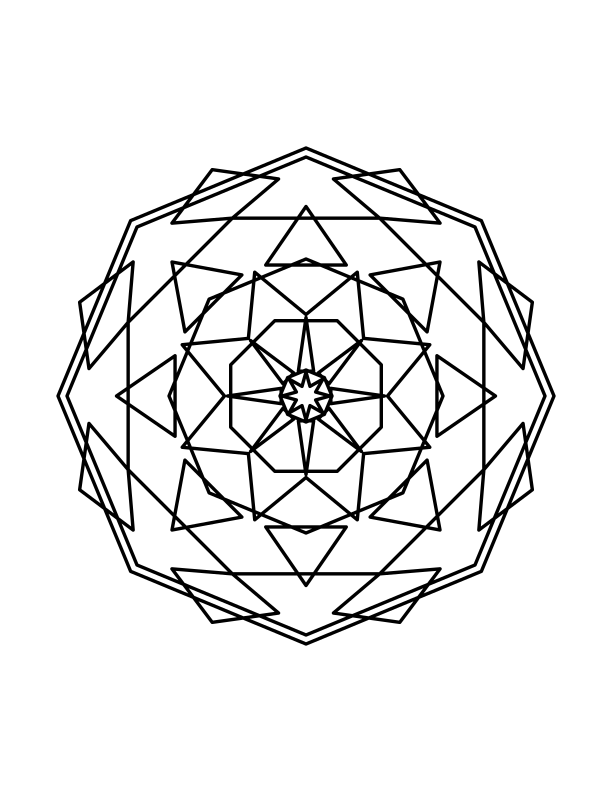
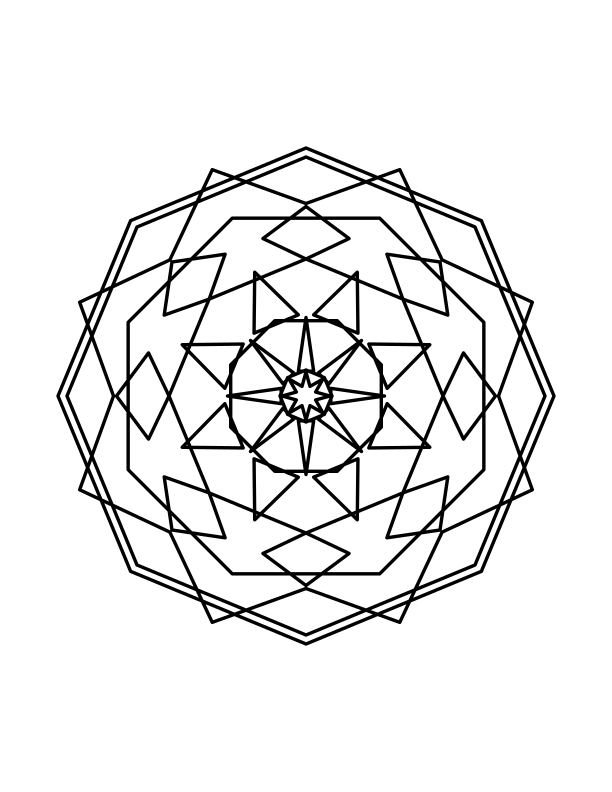
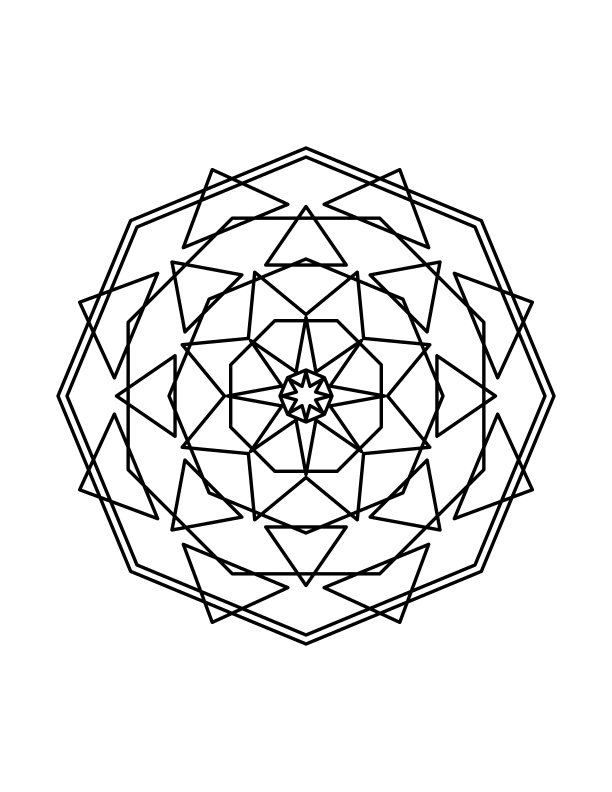
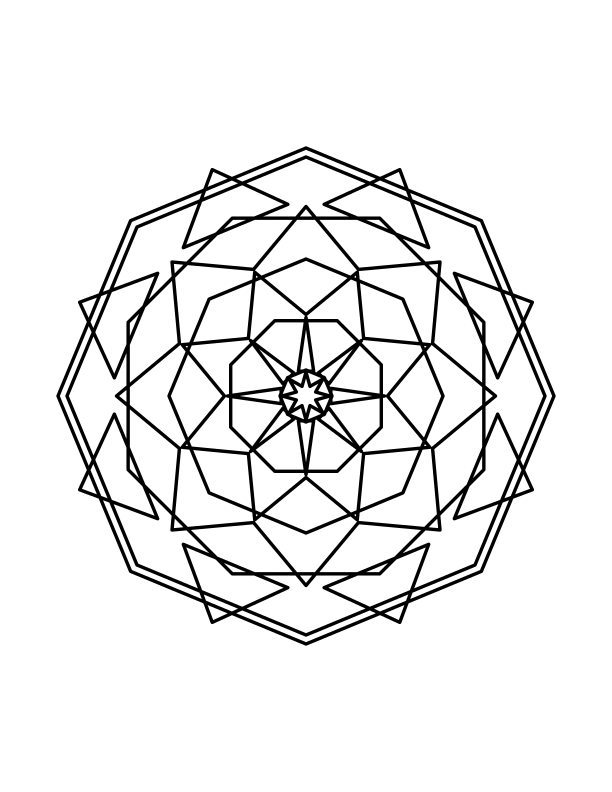
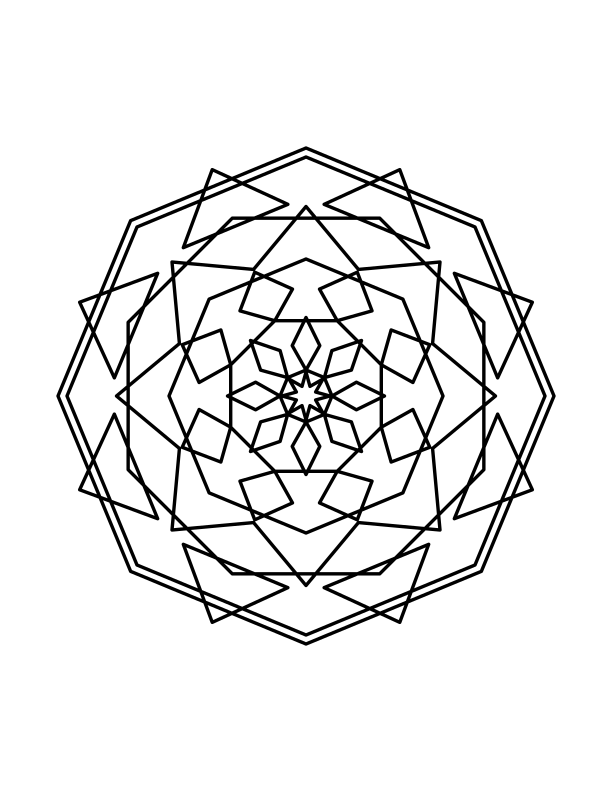
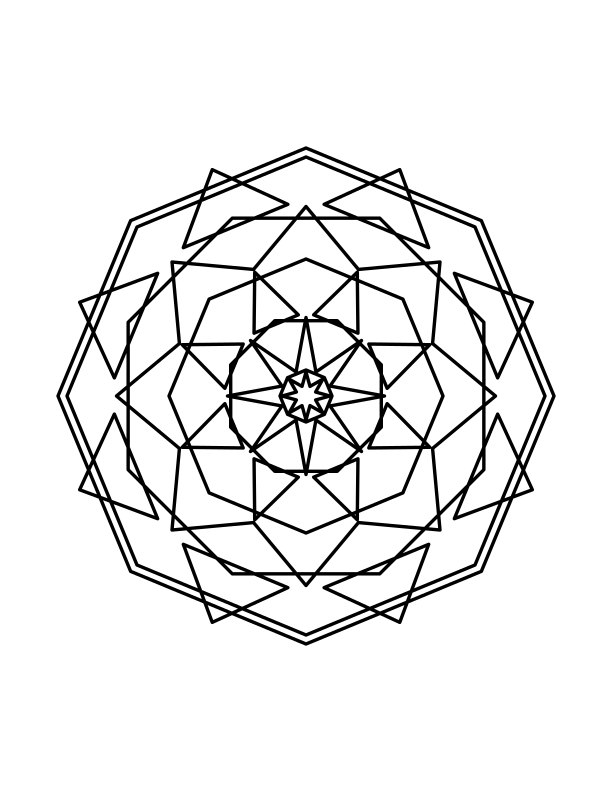
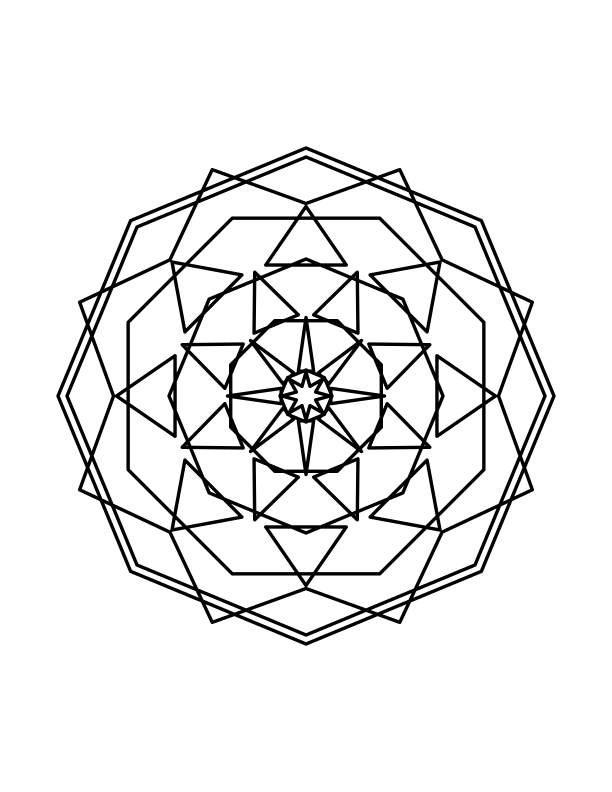
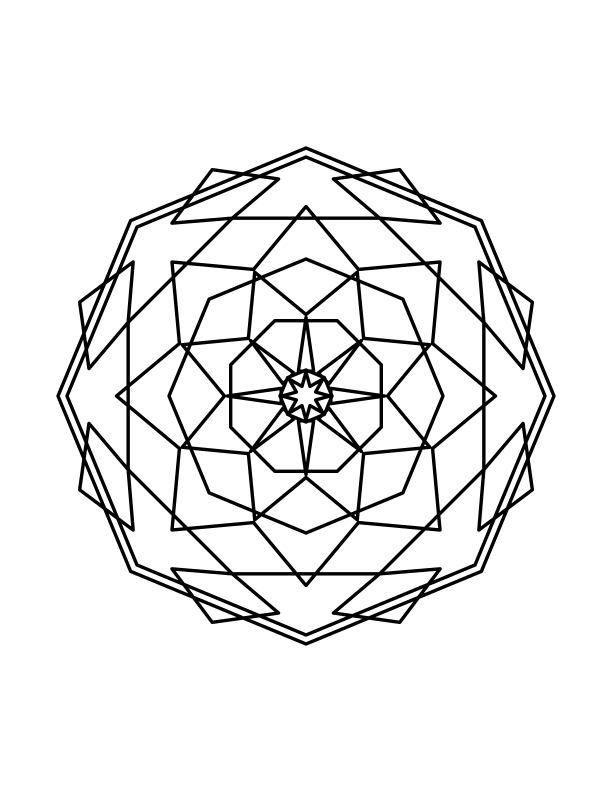
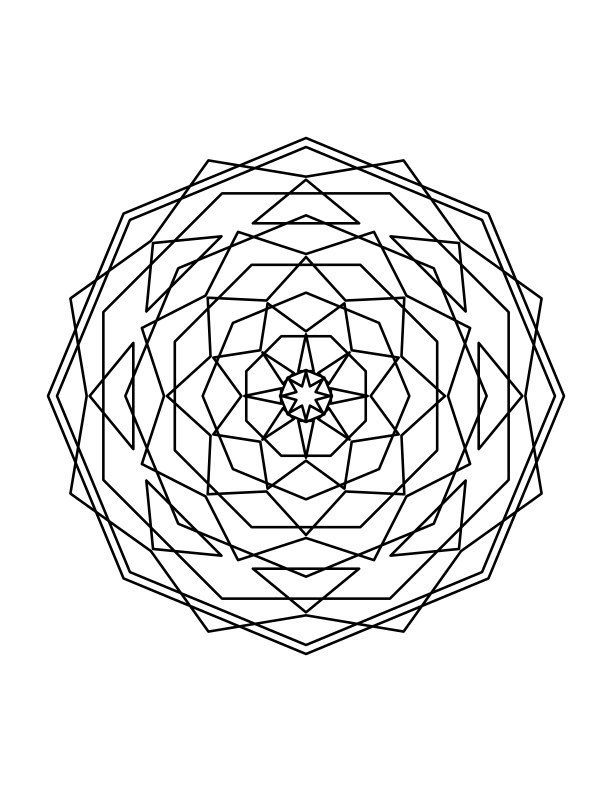
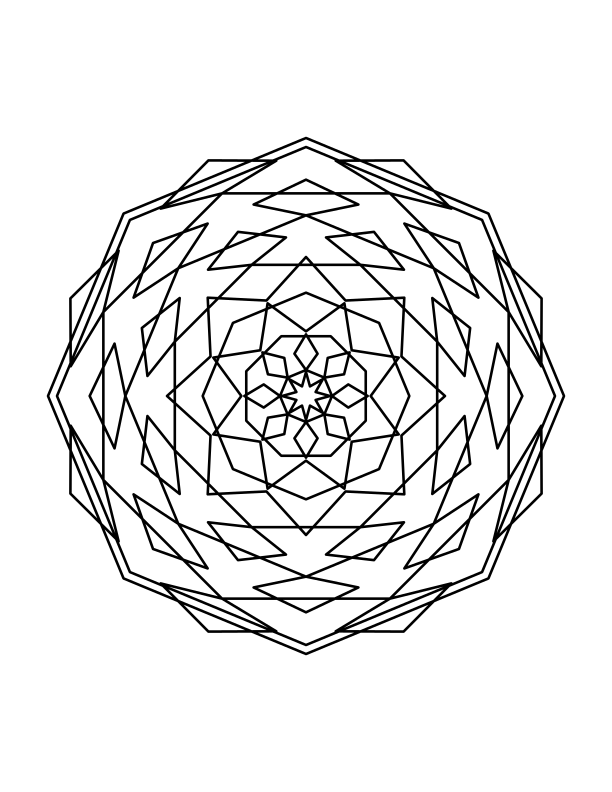
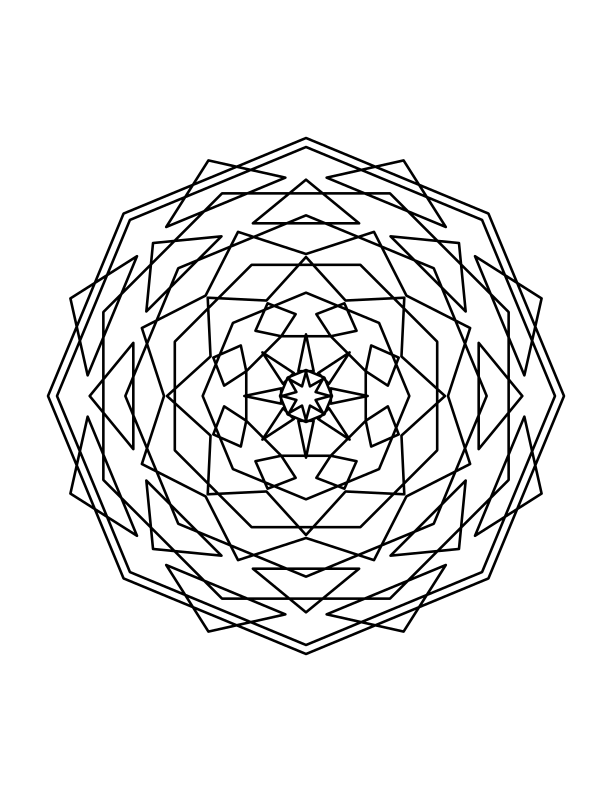
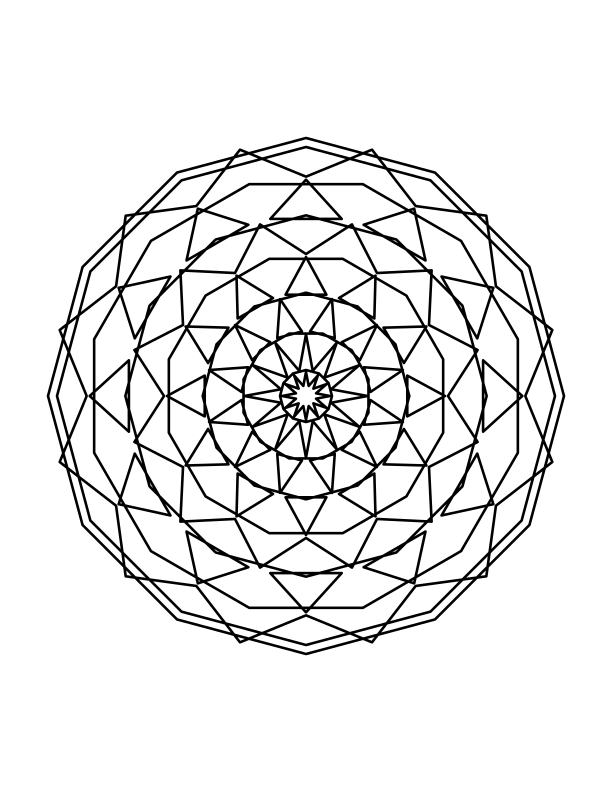
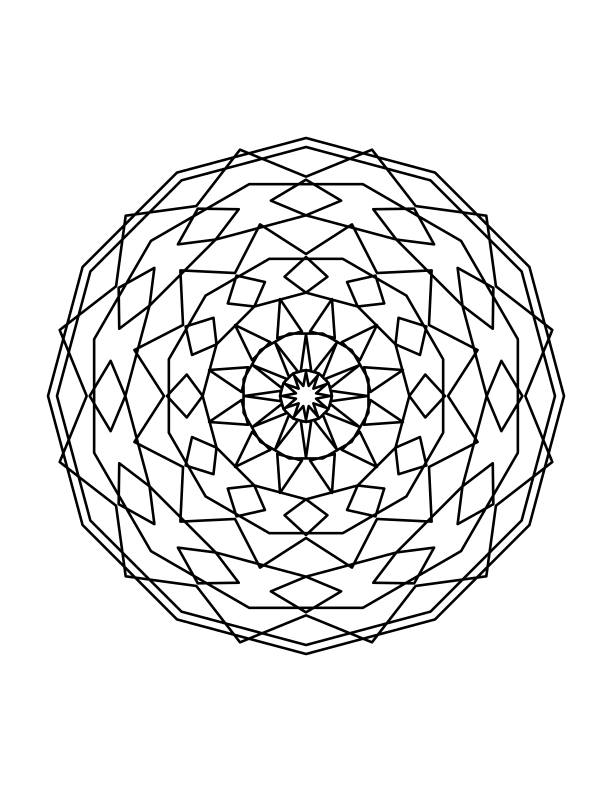
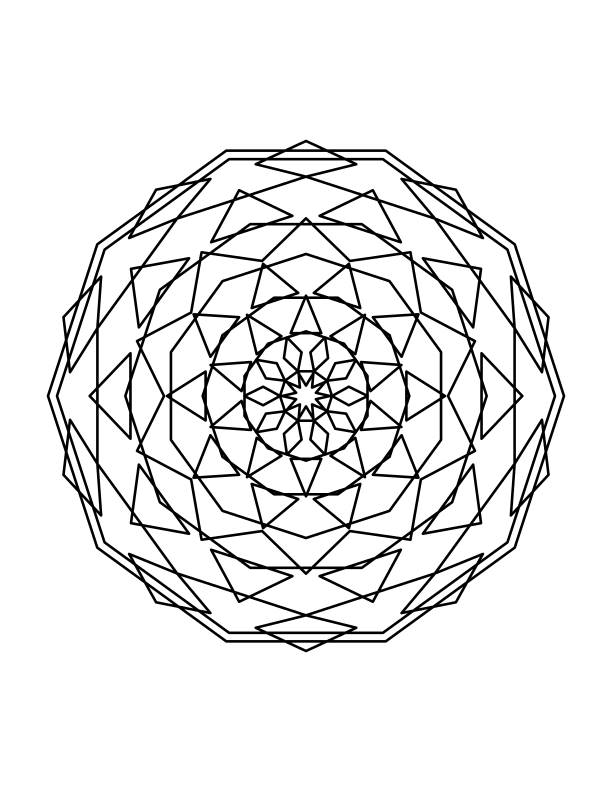
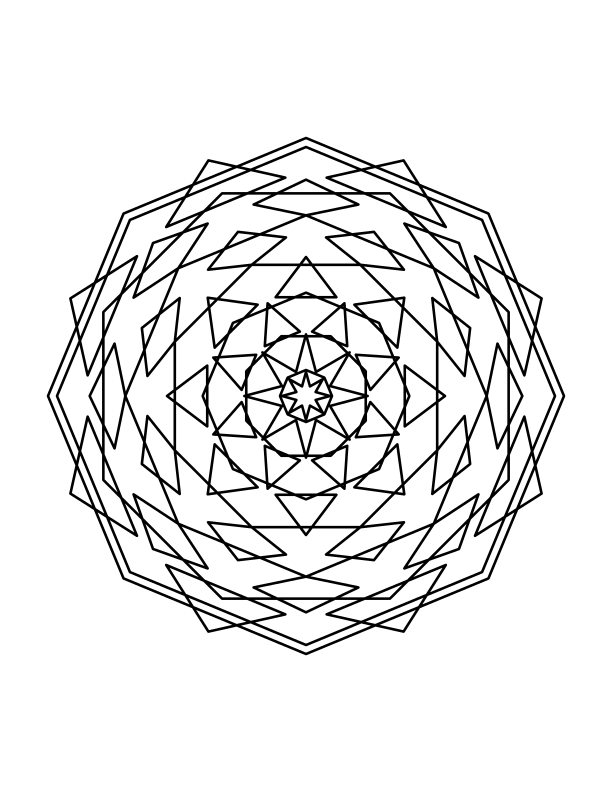
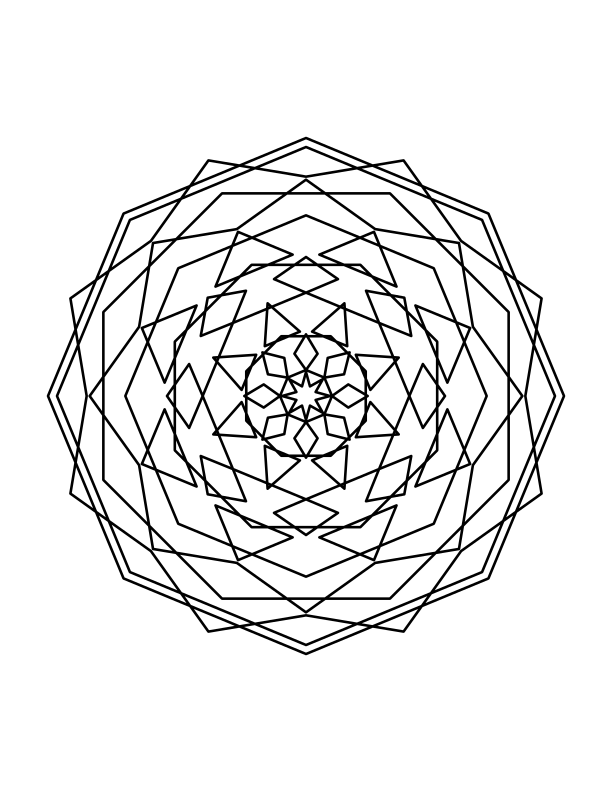
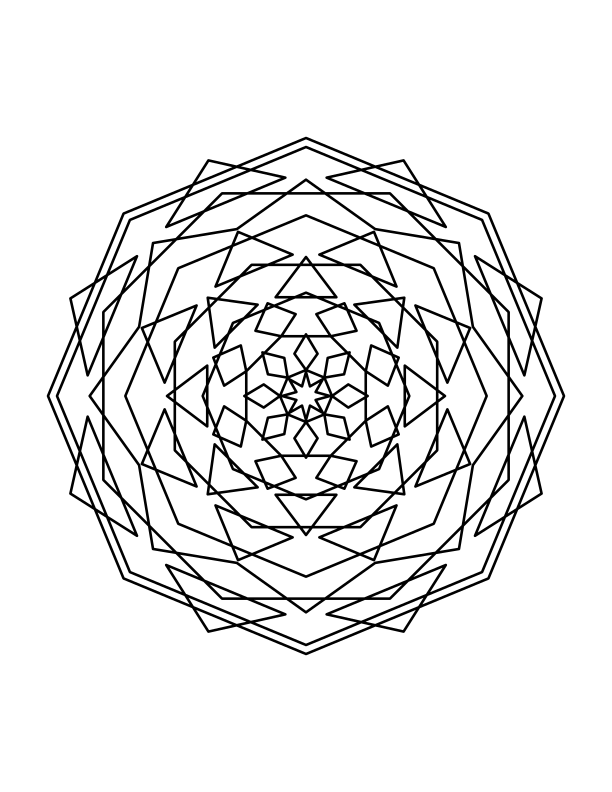
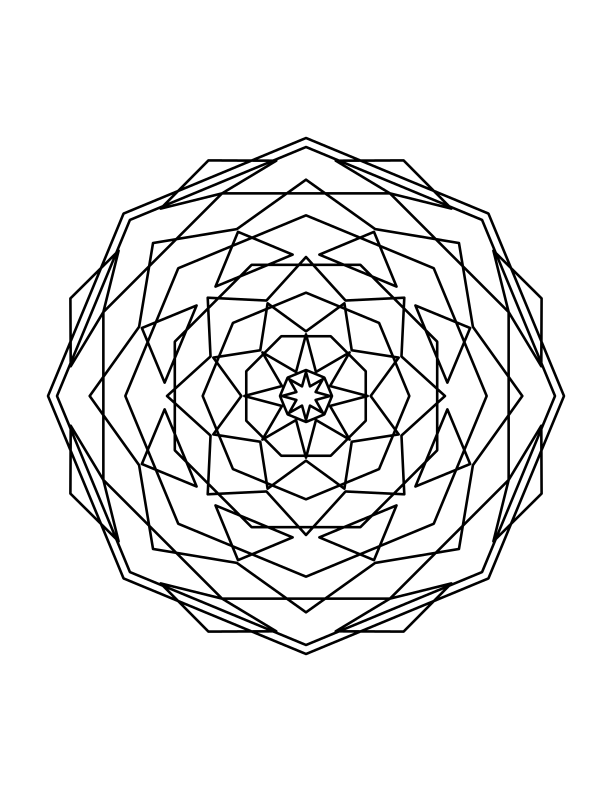
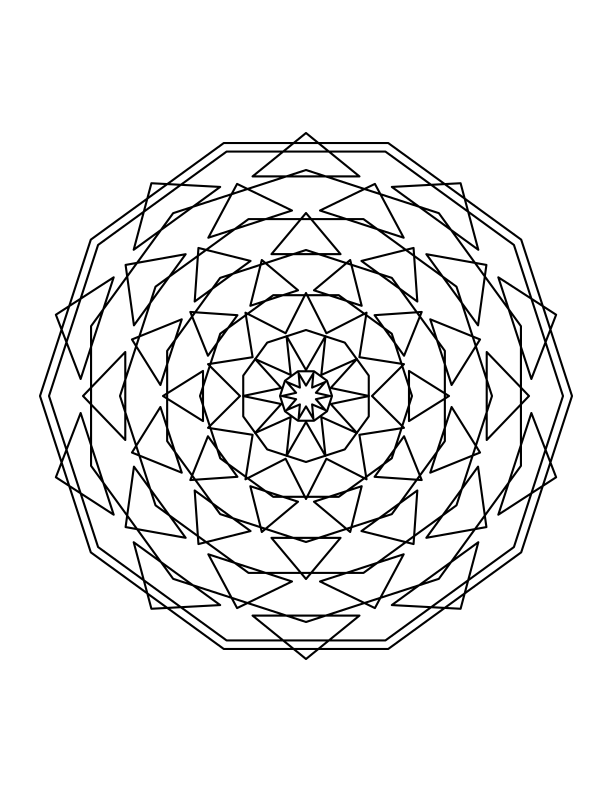
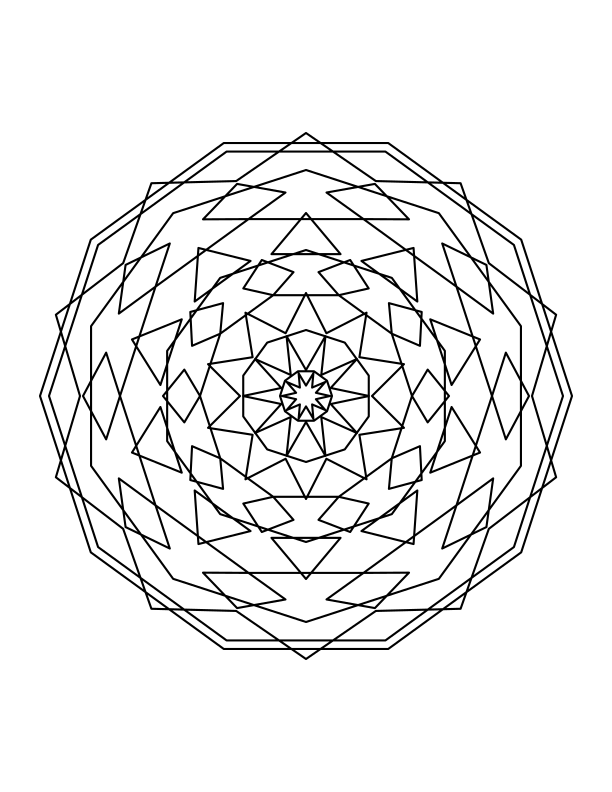
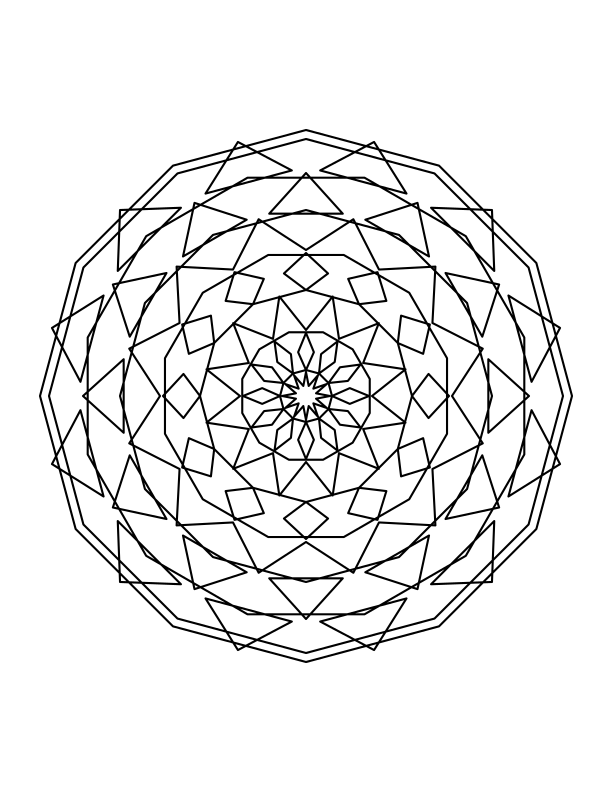
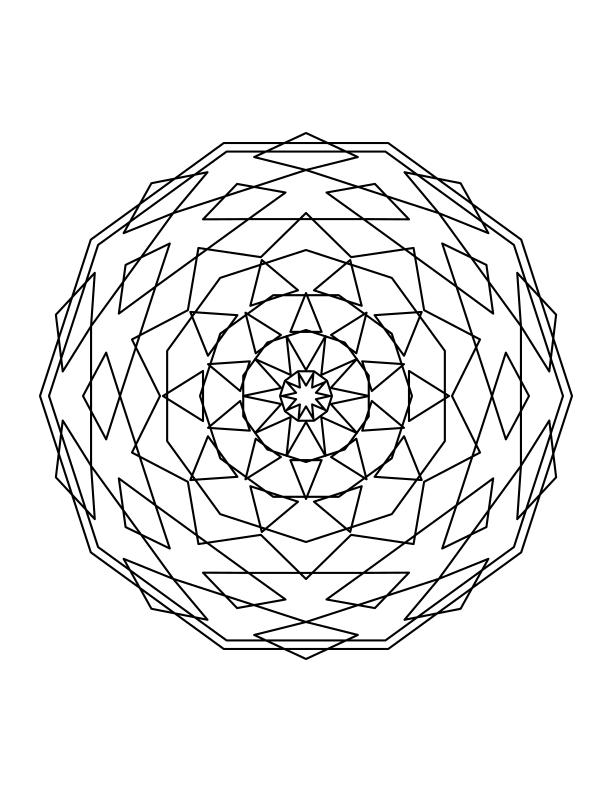
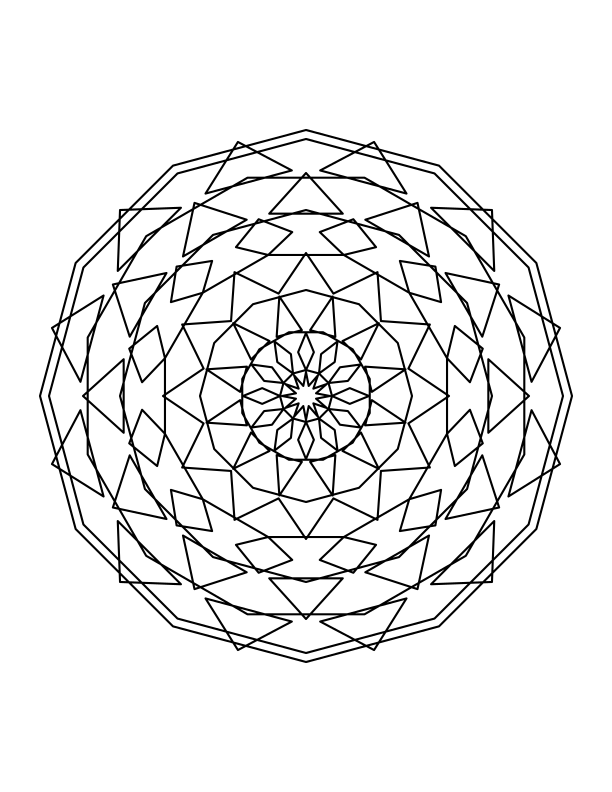
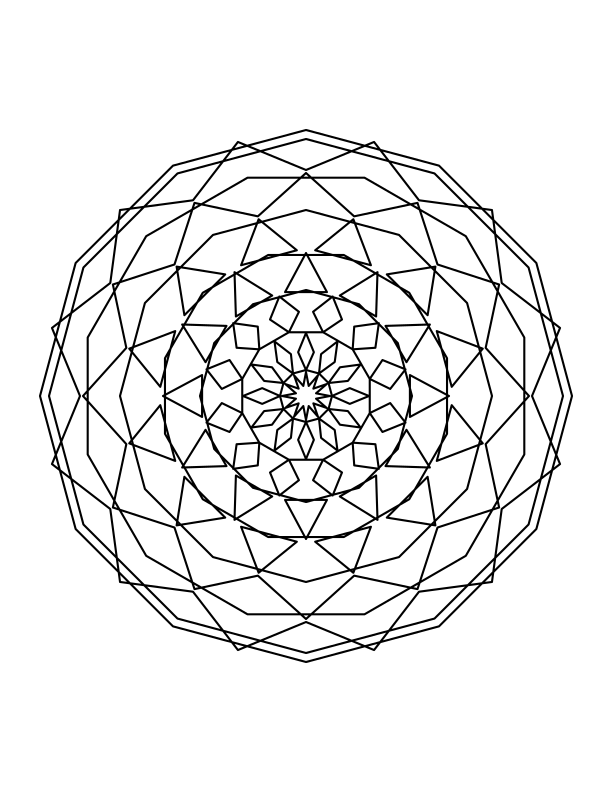
Every design below is available two ways: a vector PDF that prints razor-sharp on US Letter or A4 at any scale, and a color-online mode you can tap through on a phone or tablet. Files are a few kilobytes each. No giant downloads, no watermarks, no signup. This set contains 8 easy, 10 medium and 6 detailed designs.
These are vector files, so “Fit to page” will not blur them. Print at 100% for US Letter or let your printer scale to A4, in grayscale, since the pages contain no color. Ordinary copier paper suits crayons and pencils; use 160 gsm cardstock for markers. Free to print at home, in a classroom or in a library, see the license.
How to color these geometric coloring pages
Geometric designs are the one place where flat, unshaded color looks best. These are built entirely from straight lines, stars, polygons, diamonds and triangles. And the crisp angles are the point. Fill each shape evenly with a single color and let the edges do the work; blending and gradients tend to muddy what is otherwise a very clean design.
The most striking results come from limiting yourself hard: two colors plus white, assigned by shape type rather than by position. Every triangle blue, every diamond orange, every leftover space left white. The eye then picks out the underlying structure, which is far more satisfying than a page where every shape is a different color.
Straight lines only
There is not a single curve in this collection. Each design starts from a regular polygon. Six to twelve sides, depending on the difficulty. And builds outwards through rings of triangles, diamonds and stars, with every vertex landing on a precise angular division. Where two rings overlap, they create smaller shapes that were never explicitly drawn, and those accidental slivers are often the most interesting parts to color.
If you have colored Islamic geometric patterns or quilt blocks before, this will feel familiar. The construction logic is the same: a small number of rules, applied strictly, producing complexity that looks designed rather than generated.
Frequently asked questions
How are these different from mandalas?
Mandalas here use curves, petals, circles, teardrops. These use only straight edges and hard corners. Both are radially symmetric, but geometric designs read as architectural where mandalas read as organic.
Do markers work on these?
Better than on any other set here. Large flat shapes with straight edges are exactly what markers are good at, and the medium designs have few enough tiny areas that bleeding is not much of a risk.
Can I use these for a maths lesson?
They work well for it. Ask students to count the symmetry order, identify the regular polygon at the center, or work out the interior angle of a repeating triangle before coloring it. The coloring then reinforces which shapes are congruent.
Why are the PDFs so small?
Most printable sites publish a photograph or scan wrapped in a PDF, typically 300 KB to 1 MB per page. The mandalas and patterns in this collection are true vector drawings: about four kilobytes each, so they download instantly and print at any size without pixelation.
Can I use these in a classroom or library?
Yes. Print as many copies as you need. See the licence for the full terms; the short version is that everything here is free to print and share, and the only restriction is on reselling the files themselves.