Home › Mandala Coloring Pages for Adults
24 Free Printable Mandala Coloring Pages for Adults
Mandala coloring pages for adults: dense rings, high-order symmetry and fine linework, the kind of detail that rewards coloured pencils and a slow afternoon.
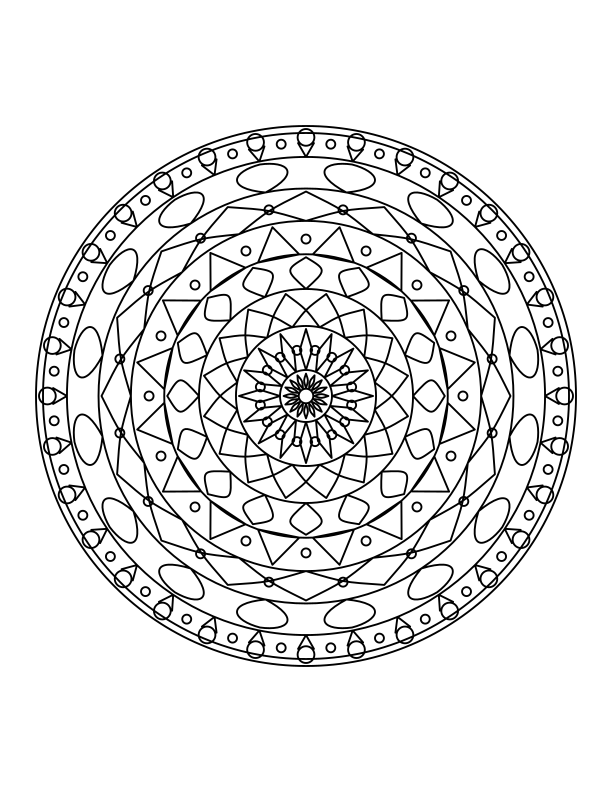
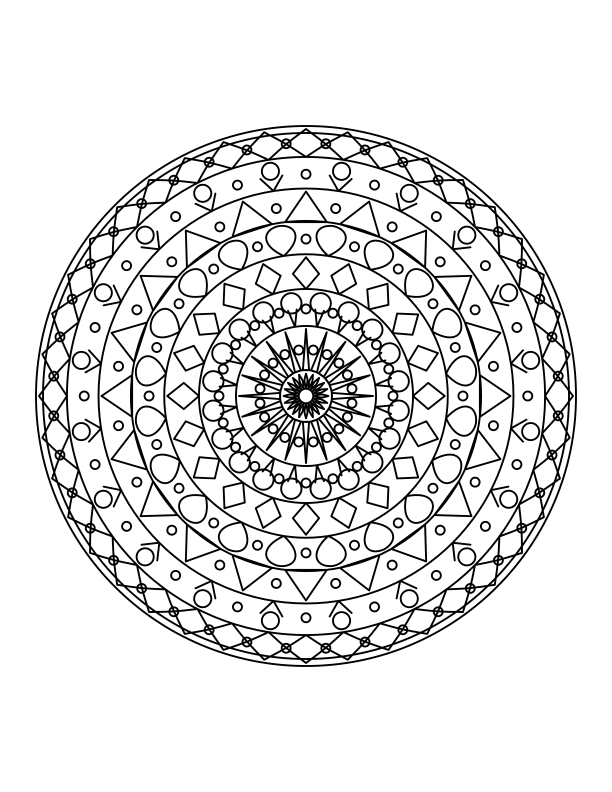
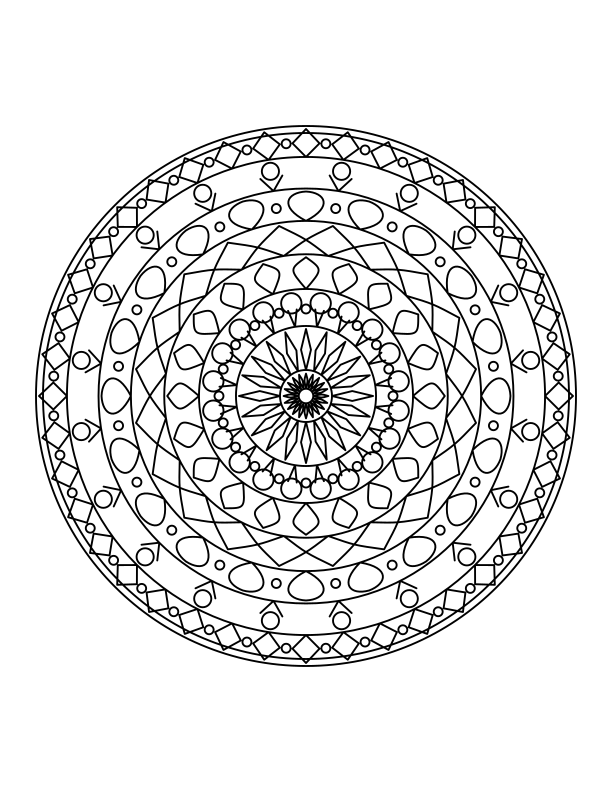
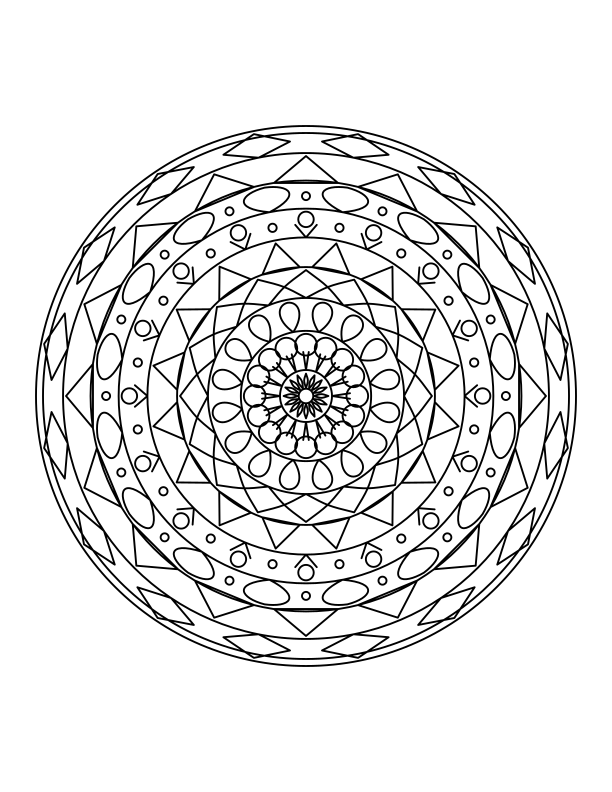
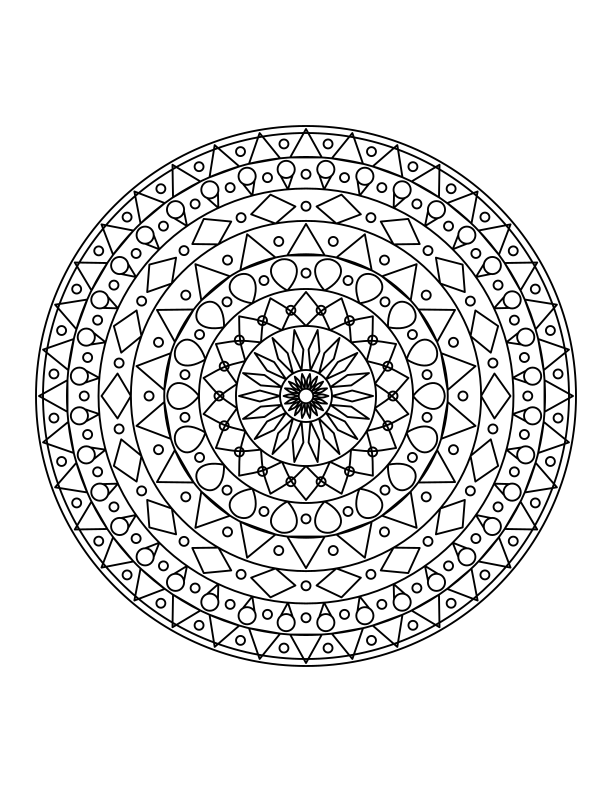
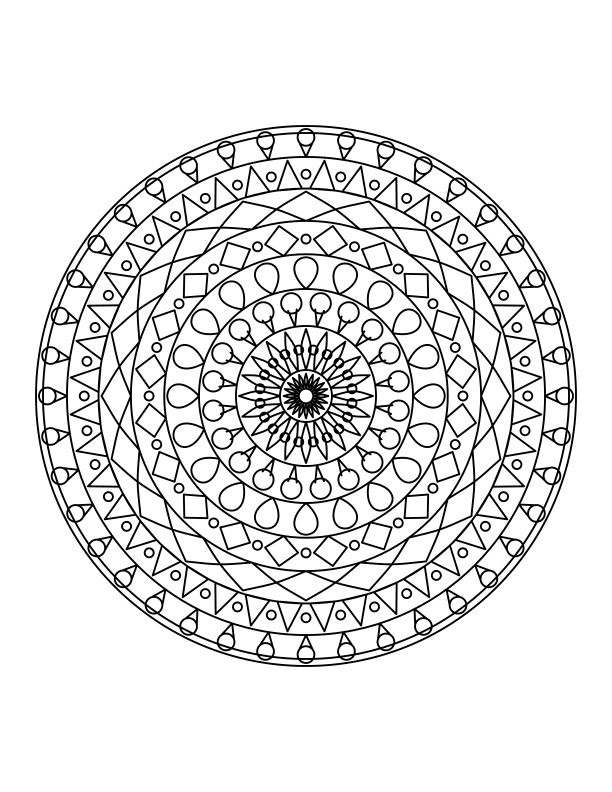
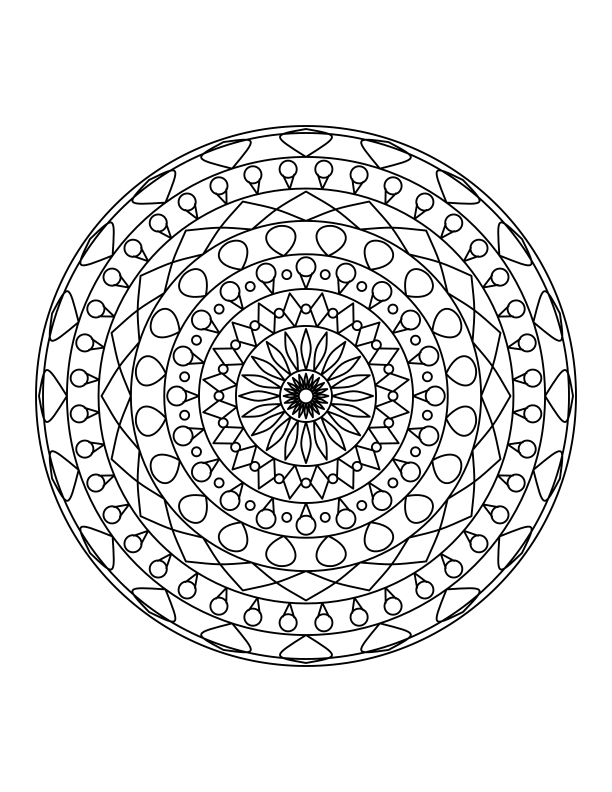
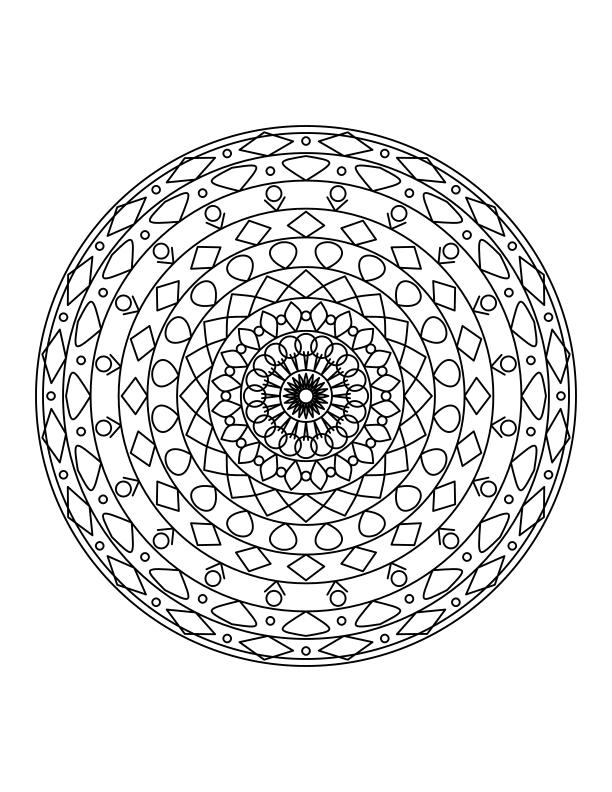
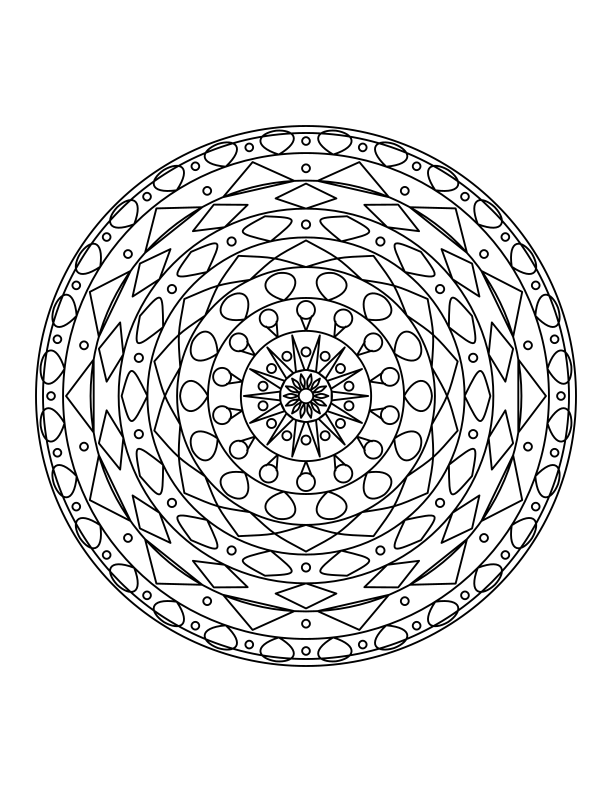
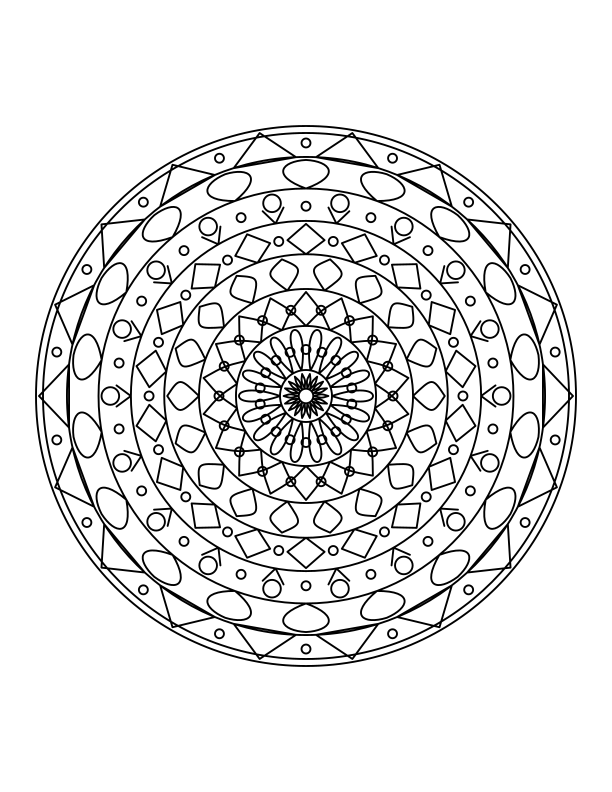
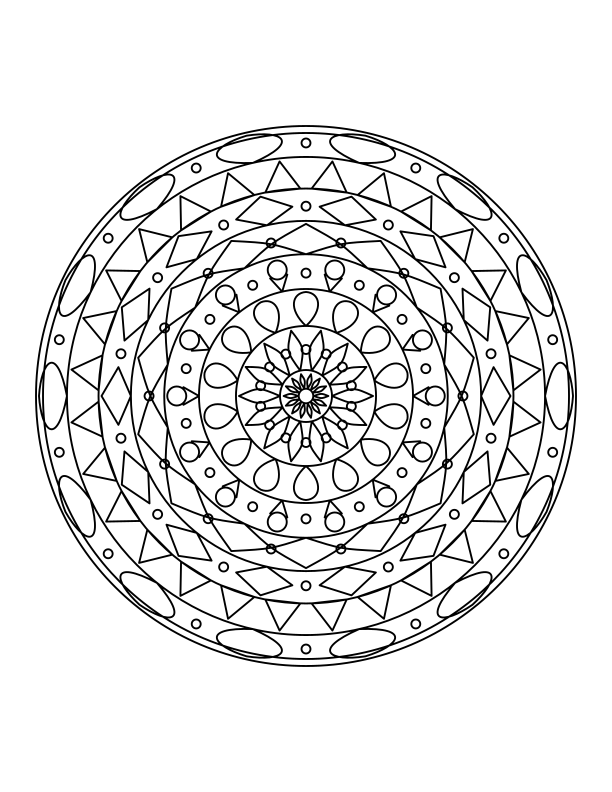
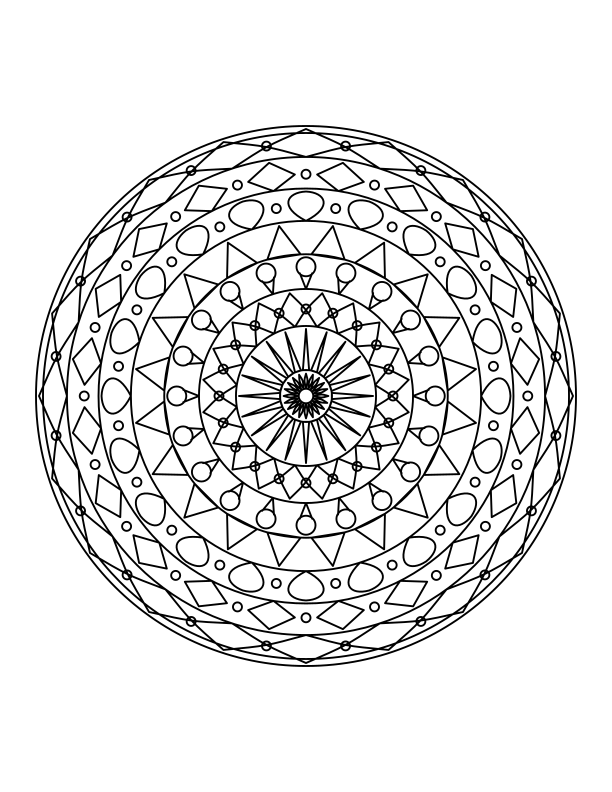
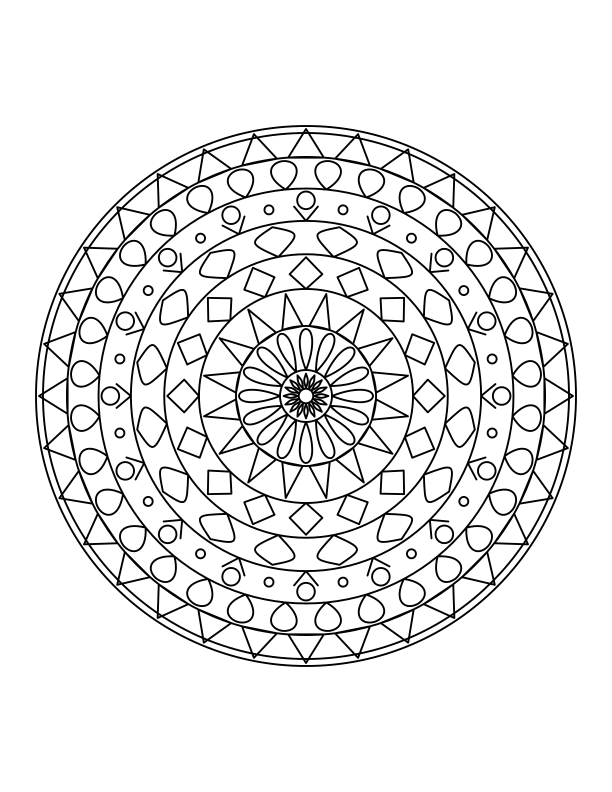
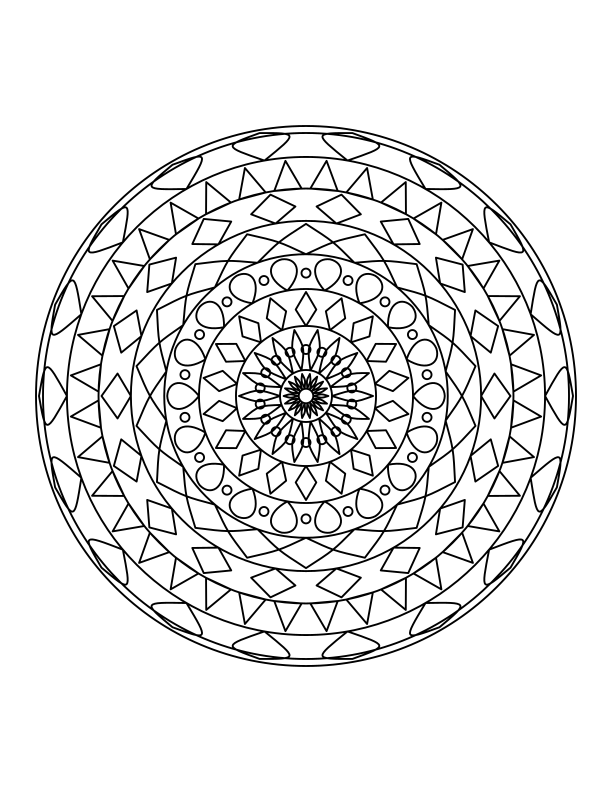
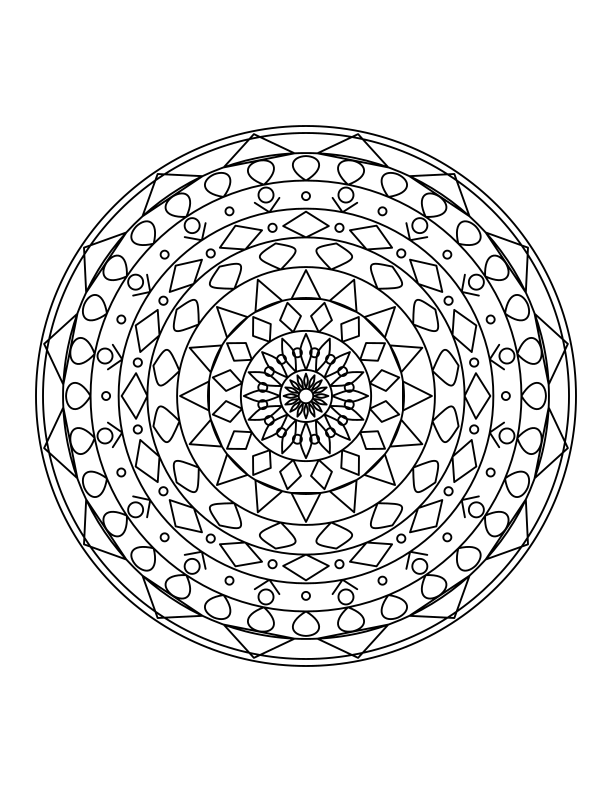
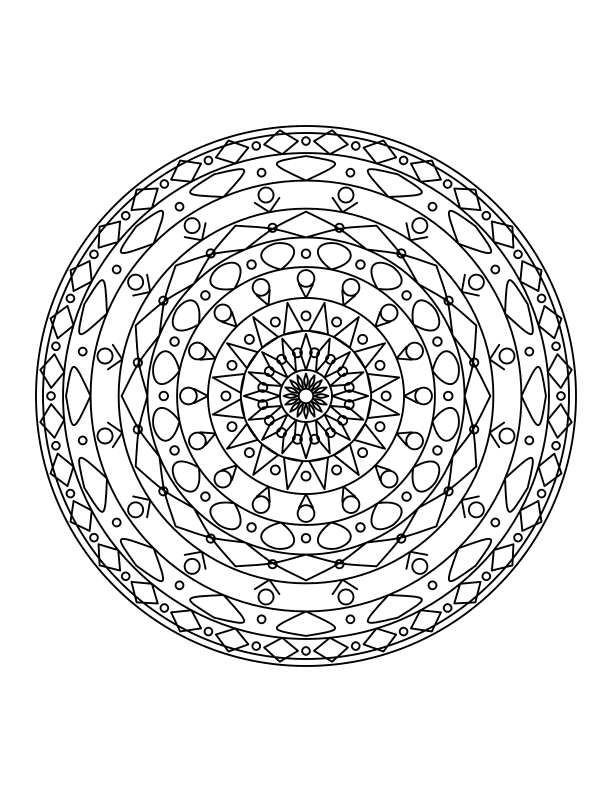
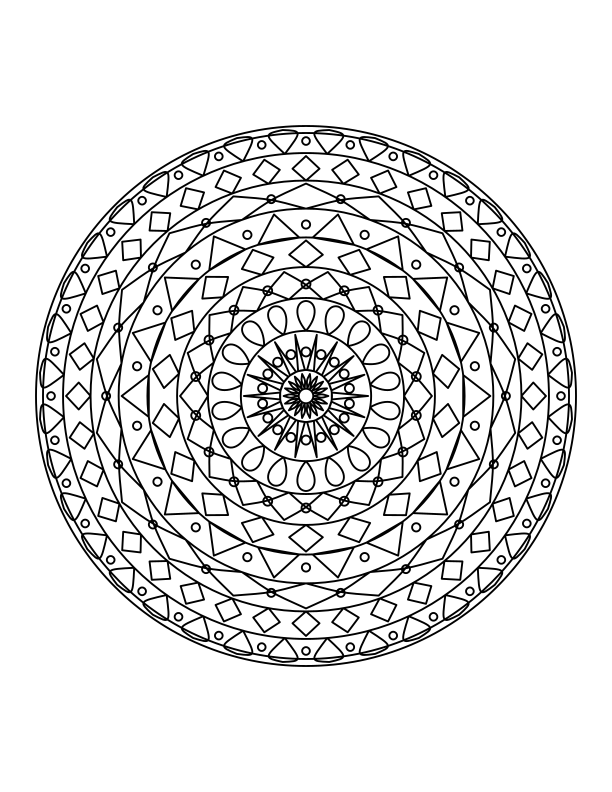
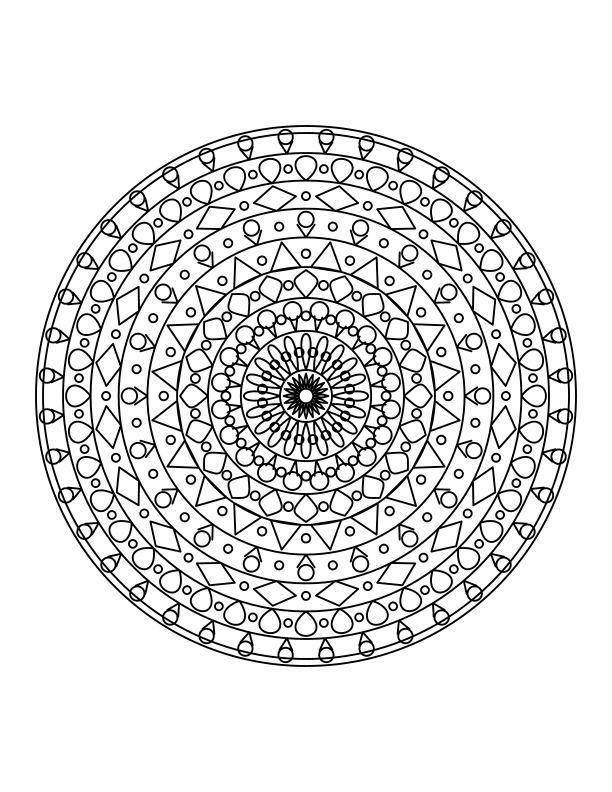
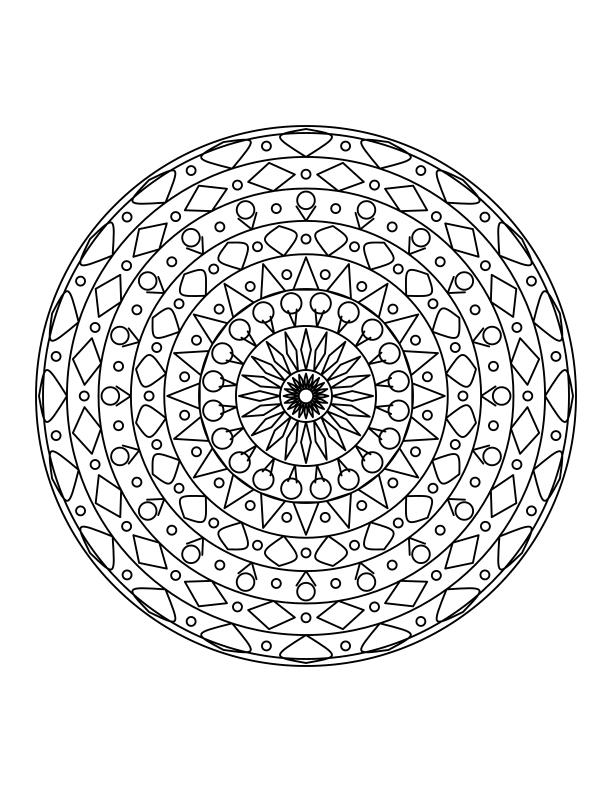
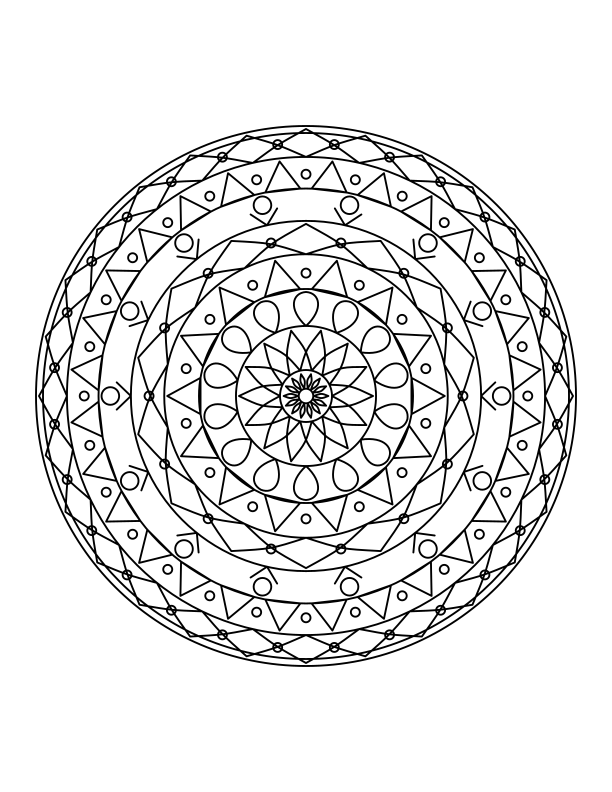
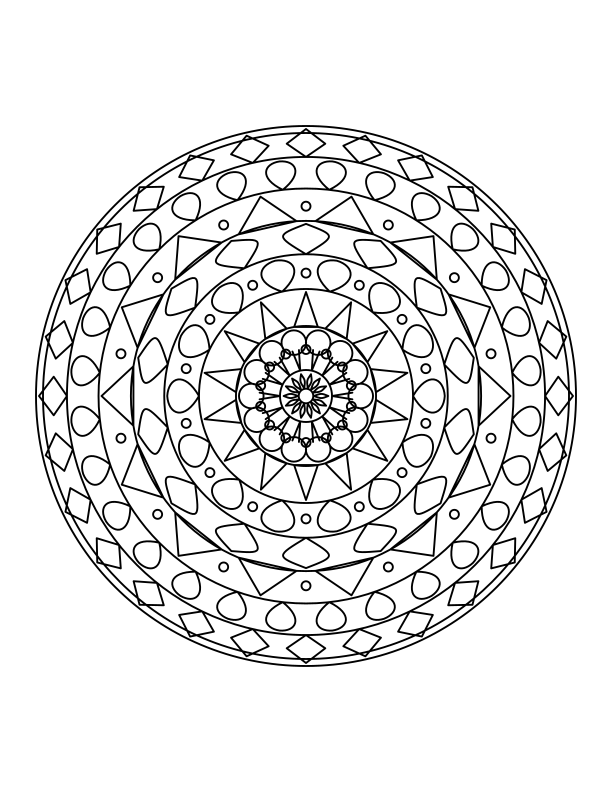
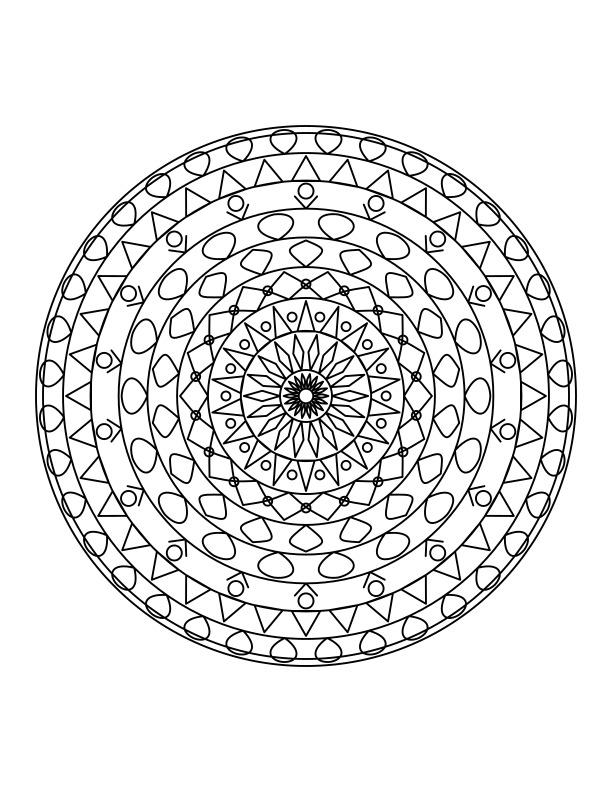
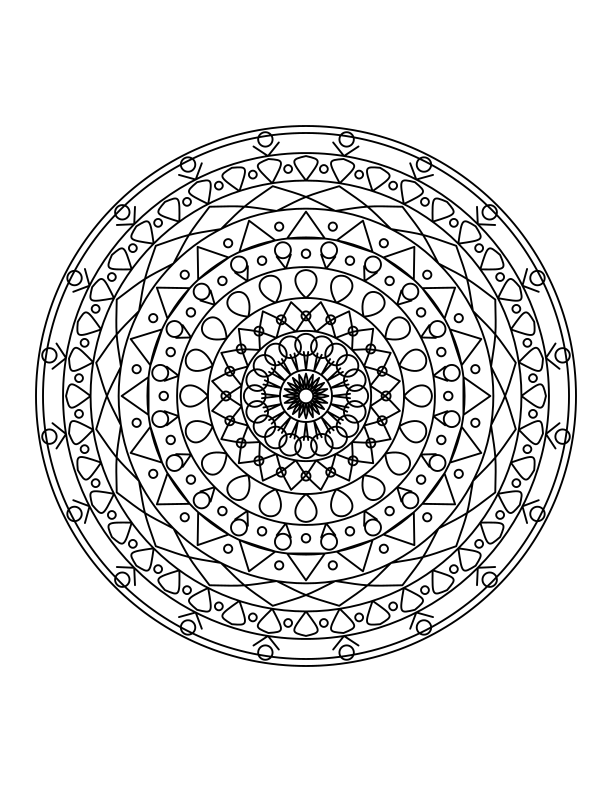
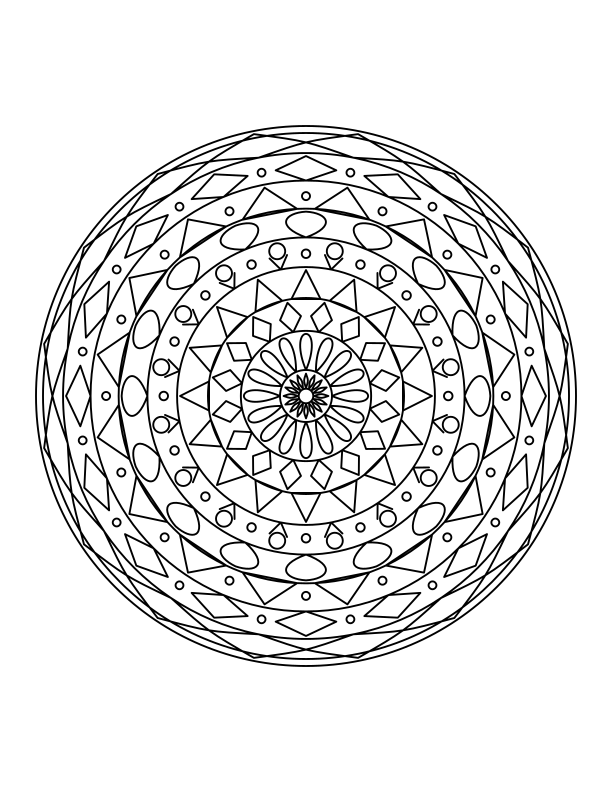
Every design below is available two ways: a vector PDF that prints razor-sharp on US Letter or A4 at any scale, and a color-online mode you can tap through on a phone or tablet. Files are a few kilobytes each. No giant downloads, no watermarks, no signup.
These are vector files, so “Fit to page” will not blur them. Print at 100% for US Letter or let your printer scale to A4, in grayscale, since the pages contain no color. Ordinary copier paper suits crayons and pencils; use 160 gsm cardstock for markers. Free to print at home, in a classroom or in a library, see the license.
How to color these mandala coloring pages for adults
Detailed mandalas are a pencil medium. Markers bleed across the thin gaps between shapes, and the fine linework. Under two points. Disappears under a thick nib. Colored pencils, fineliners and gel pens all hold the line. Sharpen more often than feels necessary; a blunt pencil is what actually pushes color over an edge, not an unsteady hand.
The technique that separates a finished adult mandala from a merely colored one is value, not hue. Pick a single color family and shade each ring slightly darker as it moves outward, or lighter towards the center so the eye is pulled inwards. Layering two pencils over the same area, the second applied lightly, gives a depth that flat single-pass color never does.
Why intricate patterns hold attention
Many people describe coloring a dense mandala as occupying just enough of the mind to settle it, while leaving nothing important to decide. Each shape presents a trivially small choice. This color or that one. And then a stretch of purely mechanical work. That alternation is what people tend to describe as the absorbing part, and it is why the detailed pages suit it better than the simple ones: there are more decisions, spaced more closely.
It is also why these pages are not timed or ranked. Half a finished mandala is not a failure state. Many people keep one on the table for a week and add a ring whenever they pass it.
Frequently asked questions
What pens work best on these?
Colored pencils first. They give you control over pressure and let you layer. Fineliners in the 0.3 to 0.5 mm range work for the smallest shapes. Alcohol markers are workable on cardstock but will bleed on copier paper, and the finest details will fill in.
These are quite dense. Is there anything simpler?
Yes. The same generator produces gentler versions. Try the standard mandala set for a mixed range, or the easy set if you want large open areas.
Can I enlarge one to poster size?
Yes, and this is where vector files earn their keep. Send the PDF to a print shop at A2 or A1 and every line stays as crisp as it is on A4. A scanned coloring page enlarged that far would show visible pixel steps on every curve.
Why are the PDFs so small?
Most printable sites publish a photograph or scan wrapped in a PDF, typically 300 KB to 1 MB per page. The mandalas and patterns in this collection are true vector drawings: about four kilobytes each, so they download instantly and print at any size without pixelation.
Can I use these in a classroom or library?
Yes. Print as many copies as you need. See the licence for the full terms; the short version is that everything here is free to print and share, and the only restriction is on reselling the files themselves.